


Low-temperature refrigeration is a critical requirement in multiple industrial sectors, including chemical processing, cryogenic applications, food storage, and specialised manufacturing environments. As operating temperatures decrease, the selection of refrigerant systems becomes increasingly constrained by thermodynamic efficiency, safety considerations, and environmental compliance requirements.
In this context, hydrocarbon-based refrigerant mixtures have gained attention as an alternative approach in low-temperature system design. Their application is primarily driven by thermodynamic properties that allow tailored boiling points and favorable heat transfer characteristics when properly engineered within closed-loop systems.
Hydrocarbon mixtures as refrigerants in low-temperature cycles
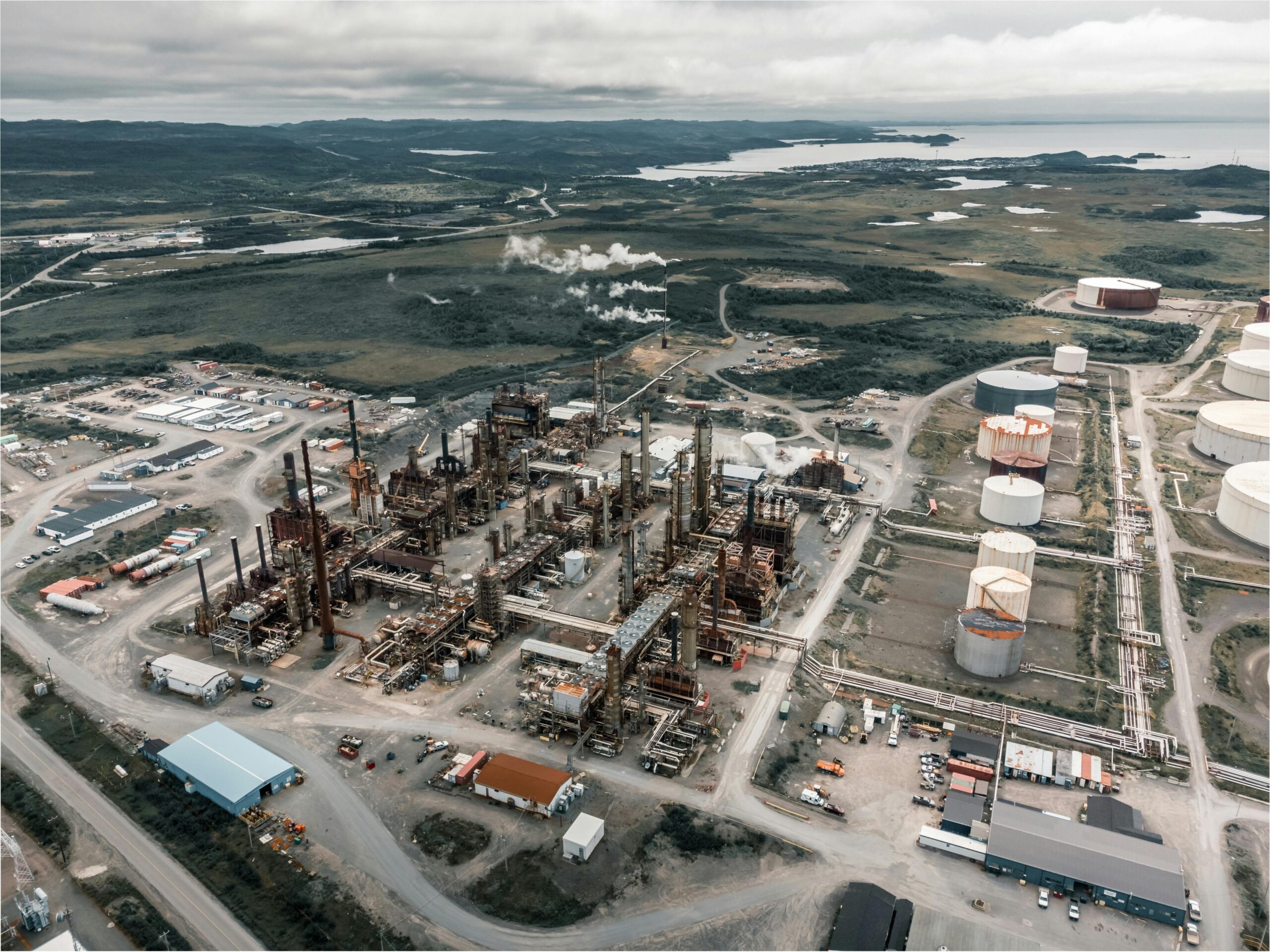
Hydrocarbon refrigerants such as propane (R290), ethane (R170), isobutane (R600a), and mixed formulations are used in refrigeration cycles where precise temperature control is required. In low-temperature applications, individual hydrocarbons are often combined into mixtures to adjust pressure levels and evaporation characteristics across different stages of the cycle.
The engineering rationale behind mixture-based refrigerants lies in their ability to extend the operational envelope of refrigeration systems. By adjusting composition ratios, system designers can influence glide temperature behavior and optimise phase change processes in multi-stage or cascade configurations.
However, the use of hydrocarbon mixtures requires strict attention to system design constraints, particularly related to flammability classification, leak prevention, and component compatibility. These factors significantly influence compressor selection, heat exchanger design, and overall system architecture.
Engineering considerations in system design
Low-temperature refrigeration systems based on hydrocarbon mixtures typically rely on cascade or multi-circuit configurations. Each stage operates within a defined temperature range, reducing the thermodynamic load on individual components.
Key engineering aspects include:
- Pressure management: Hydrocarbon refrigerants operate under specific pressure-temperature relationships that must be carefully balanced across system stages.
- Heat exchange efficiency: Optimised heat exchanger design is essential to maintain stable phase transitions and minimise irreversibility losses.
- Material compatibility: Elastomers, seals, and lubricants must be selected based on chemical compatibility with hydrocarbon mixtures.
- Safety architecture: Due to flammability characteristics, system design incorporates ventilation, gas detection, and containment strategies in accordance with applicable industrial standards.
The performance of such systems is highly dependent on integration quality rather than the properties of individual refrigerants alone.
Energy efficiency and thermodynamic behavior
Hydrocarbon refrigerants are often selected due to their favorable thermodynamic properties, particularly in terms of latent heat and heat transfer coefficients. In multi-component mixtures, these properties can be tuned to better match the temperature glide requirements of specific industrial processes.
In cascade systems, the separation of temperature levels allows for reduced compression ratios per stage, which can contribute to improved operational stability and reduced mechanical stress on compressors. However, actual efficiency outcomes depend strongly on system configuration, heat exchanger design, and operational control strategies.
It is important to note that performance comparisons between refrigerant types cannot be generalised without reference to specific system architectures and operating conditions.
Industrial applications and operational environments
Hydrocarbon-based low-temperature systems are applied in several industrial domains where controlled cryogenic or sub-zero conditions are required:
- Chemical and pharmaceutical processing
- Industrial gas handling and storage systems
- Food freezing and cold chain infrastructure
- Specialised manufacturing requiring controlled low-temperature environments
Each application imposes distinct requirements on temperature stability, system redundancy, and operational continuity.
Cryoin Europe engineering context
Within the field of industrial refrigeration and cryogenic technologies, Cryoin Europe is engaged in the development and manufacturing of equipment designed for low-temperature applications, including systems that utilise natural refrigerants and engineered refrigerant mixtures.
The company’s engineering focus includes integration of thermodynamic modeling, system design optimisation, and compliance with industrial safety standards relevant to hydrocarbon-based refrigeration systems. In this context, hydrocarbon mixtures represent one of the refrigerant approaches considered for applications where environmental constraints and operational requirements intersect.
Conclusion
Low-temperature refrigeration systems based on hydrocarbon mixtures represent a technically defined approach to achieving sub-zero and cryogenic operating conditions in industrial environments. Their implementation requires careful engineering of system architecture, safety mechanisms, and thermodynamic balance across multiple stages.
Rather than being a universal solution, hydrocarbon-based refrigerant systems are applied within specific operational frameworks where their properties align with process requirements. Companies such as Cryoin Europe operate within this engineering domain, focusing on the integration of natural refrigerant technologies into industrial refrigeration solutions where performance, safety, and environmental considerations must be jointly addressed.