
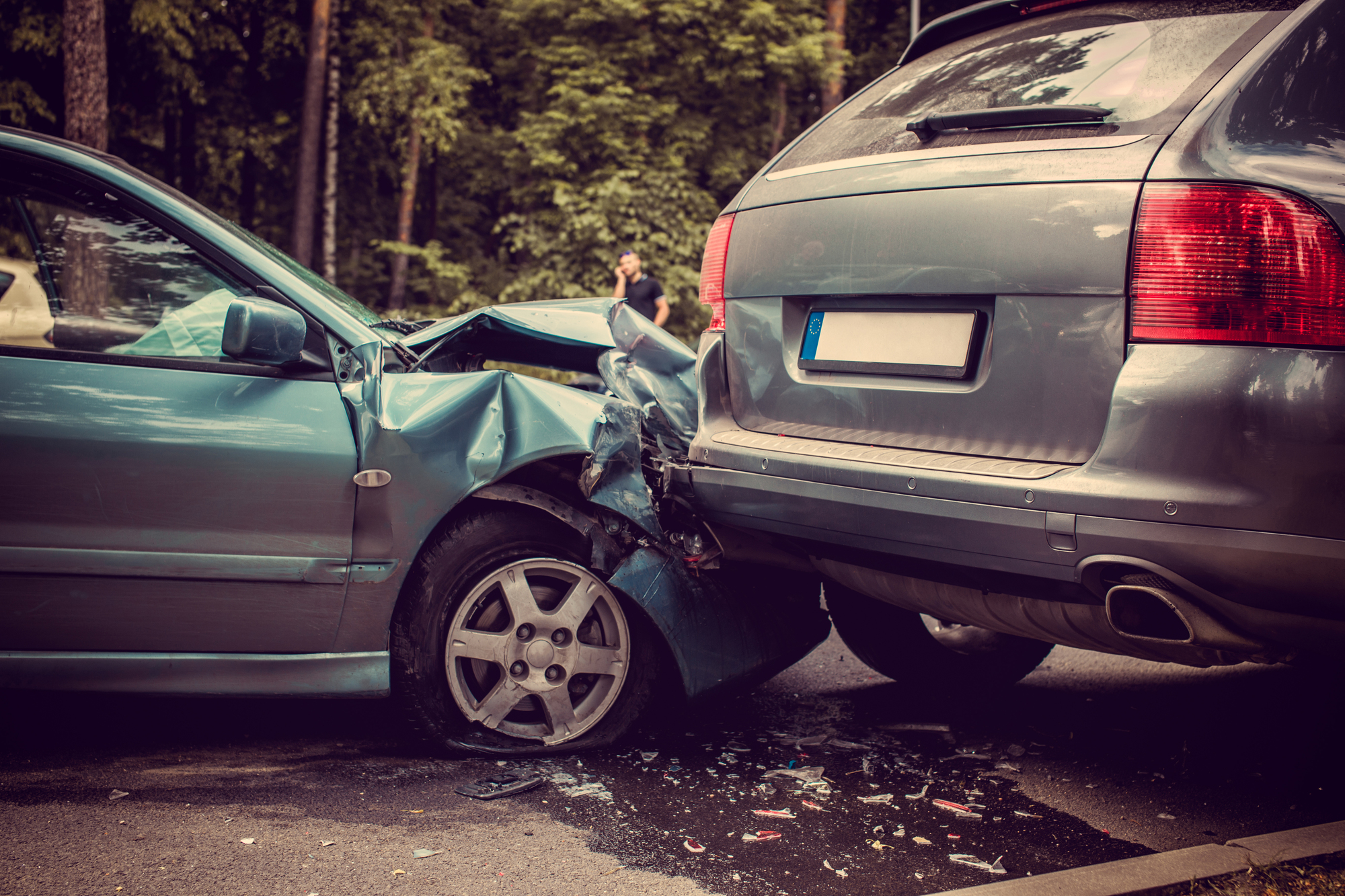

A collision involving a company vehicle can create problems that extend well beyond the damage to the vehicle itself. A delivery may be delayed, employees may have to change their schedules, and essential equipment could be out of use. If another motorist caused the accident through careless driving, the business may be able to seek compensation for its losses.
Not every accident gives rise to a negligence claim. Under Arizona law, the business must establish that the other driver owed a duty of care, failed to meet that duty, and caused harm as a result. An Arizona car accident attorney can help examine the circumstances and determine whether the available evidence supports a claim.
What Counts as Driver Negligence?
People behind the wheel are expected to drive with reasonable care. This includes following traffic rules, paying attention to road conditions, and responding appropriately to other road users.
A driver who speeds through an intersection, ignores a traffic signal, or changes lanes without checking may put others at risk. Distracted driving is another common concern, particularly when someone uses a phone instead of watching the road.
Consider a business owner whose employee is involved in a collision while driving a company vehicle. If another motorist ran a red light and struck the vehicle, that driver’s actions may provide grounds for a negligence claim. However, the circumstances of the crash still need to be examined.
Did the Driver Have a Duty of Care?
This is generally one of the more straightforward parts of a motor vehicle negligence case. Arizona law recognizes that drivers must exercise reasonable care to avoid causing harm to others.
The duty applies to motorists sharing the road, including those driving personal and company-owned vehicles. It also extends to pedestrians and cyclists.
However, showing that a duty existed is not enough. The business must also establish that the driver failed to meet the standard of care expected in those circumstances.
How Can a Business Show That the Driver Was Negligent?
The events leading up to a collision can help establish whether a driver acted carelessly. For example, a motorist who was texting before rear-ending a company vehicle may have breached their duty to pay attention to traffic.
Other accidents are not quite as clear-cut. Drivers may give different accounts of what happened, particularly when a collision occurs at an intersection or during a sudden change in traffic conditions.
Businesses should keep any records relating to the incident. An employee’s account, photographs of the damaged vehicle, witness contact details, and available surveillance footage may help establish how the collision occurred. Repair estimates and incident reports can also help document the immediate impact on the business.
What Losses Can a Business Claim?
The damage to a company vehicle is not necessarily the only financial consequence of an accident. Depending on the circumstances, a business may have other losses to consider.
These could include:
- Vehicle repair expenses: The cost of repairing a company-owned vehicle or replacing it if the damage is extensive.
- Damaged business property: Tools, equipment, or goods carried in the vehicle may also need repair or replacement.
- Business interruption: A collision that takes an essential vehicle out of service could affect deliveries, appointments, or other scheduled work. Any claimed financial loss would need appropriate supporting evidence.
- Other related expenses: Additional costs directly connected to the accident may also be relevant, depending on the facts and applicable law.
The losses will vary from one business to another. A company that depends on a fleet of vehicles may face different operational difficulties from a small business that uses a single van for customer visits.
If an employee is injured in the accident, their personal injury claim is a separate matter from any claim the business may bring for its own losses.
What Happens If the Business Shares Some of the Fault?
An accident does not always involve one entirely responsible driver. The actions of the company vehicle’s driver may also come under scrutiny.
Arizona follows a comparative negligence system. This means a claimant can still pursue damages even when partly responsible for an accident. However, the amount recoverable may be reduced according to their share of fault.
Understanding how responsibility is divided can therefore be important before a business decides how to proceed with a claim.
When Should a Business Seek Legal Advice?
A straightforward accident with clear evidence may be easier to assess than one involving several vehicles, conflicting accounts, or disputed responsibility. Matters can become more complicated when an insurer questions the cause of the collision or challenges the losses claimed by the business.
Legal advice can help clarify which losses may be included in a claim and what evidence is needed to support them. It can also help a business understand its position if another party disputes responsibility.
Establishing how the collision happened, who was responsible, and what financial harm followed can help a business determine whether pursuing a negligence claim is worthwhile.