
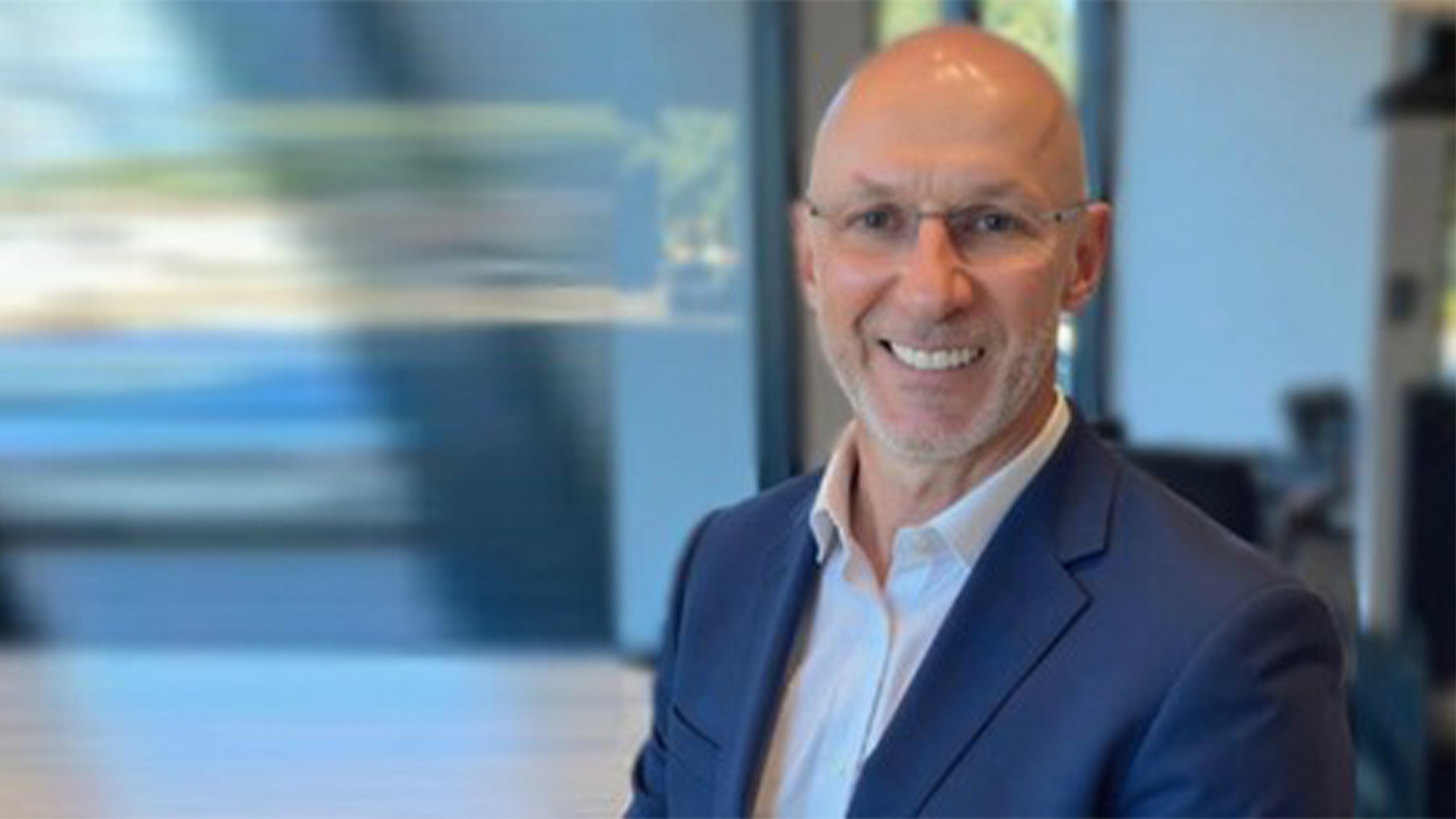
This exclusive interview with Ian Windle was conducted by Tabish Ali of the Motivational Speakers Agency.
Ian Windle has spent his career operating where strategy, leadership and pressure meet. From 16 years at the Foreign and Commonwealth Office, with postings across Europe and Asia, to leading international consulting work and later founding his own leadership consultancy, he has built his perspective in environments where clarity and judgement matter.
That breadth is what makes him such an effective expert business speaker. Windle combines board-level leadership, global coaching experience and practical commercial insight, shaped further by his work with CEOs through Vistage groups in the UK, Canada and the US. His approach is grounded rather than abstract, built around helping leaders create trust, alignment and better performance.
In this exclusive interview with the Motivational Speakers Agency, Ian Windle reflects on what defines high-performing teams, why growth happens outside comfort, and how leaders can bring clarity and honesty to organisations when uncertainty starts to bite.
Question 1. High-performing teams are often talked about in broad terms, but in practice they are built very deliberately. In your view, what are the defining qualities of a genuinely high-performing team?
Ian Windle: “High-performance teams start with the most important team in a business: the senior leadership team.
“I say that because everything flows from there. If you sit with the leader, the CEO, the directors, and you say, “How high-performing is this team?” they might say, “It’s pretty high-performing.” Then you ask, “Where’s it falling down?” and they may say, “I’ve got a question mark over one person in the team.” Well, maybe they shouldn’t be there. Maybe they should be in a different seat. Maybe they were overpromoted.
“So you’ve got the people on the team. That’s one thing. But then you’ve got how you create a team that becomes high-performing. It goes back to purpose. What’s the purpose of the team?
“I always say to people who are about to be promoted onto a leadership team, one of the key differences is that, in the job you were doing, you had to be an expert in that job. So, let’s suppose you were a director of marketing, head of marketing, or head of sales, and suddenly somebody says, right, you’re going to be director of sales on the leadership team.
“What’s the big difference? The big difference is that suddenly you have to understand the business and not just sales. So suddenly you’ve gone from deep to wide. You still have to understand sales, but you also have to understand marketing, operations, IT, everything about the business.
“So the purpose of a leadership team is to get everyone focused on where the business is going, with real clarity, real alignment, and an understanding of what the purpose is. When the purpose is sorted out and everyone understands it, the leader has got to create a culture of psychological safety. Then people will be more relaxed when they come together.
“Psychological safety is really created by what Patrick Lencioni calls vulnerability-based trust.
“Vulnerability-based trust is where I can be open and transparent with you about who I am, what I like, what I don’t like, how my life’s going. When we create a lot of that, we trust each other so much that you can challenge me and I can challenge you, and we’re okay about it.
“Great teams, and you see it perfectly demonstrated in sports teams, challenge each other massively, but nobody takes offence. Everyone goes, “Great. That feedback you gave me through your challenge was what I needed.”
“When you get a great high-performing team, they go, “Yeah, I needed that. That’s great. Challenge me more.” Because they’ve got this basis of trust, this vulnerability-based trust. When you get that challenge coming out all the time in a good way and people say, yes, that’s what we need, then you can start to hold people to account.
“Going back to what we were discussing off air before this about the questioning side, that comes into its own in challenge because you can challenge people really well by asking them challenging questions rather than giving them answers. So tell me more about what happened when you had this meeting with this client. That can be a very challenging question.
“And they say, well, it didn’t go so well. We didn’t win the pitch. Okay. Tell me why you think we didn’t win that pitch. What went wrong? How did it go for you? What were the circumstances? Then you get to the heart of it. It can be really challenging.
“If we’ve got a great relationship based on trust and vulnerability-based trust, you’ll open up, I’ll open up, and actually what we’re trying to do is reach the truth. When we’ve done that, we can move on and the organisation can be much more high-performing because we’re focused on what makes us better rather than ego, or “I can’t say this” or “you can’t say that”.
“So once you’ve got the accountability, once you’ve got the challenge, you get the accountability and the commitment, and finally all that produces is great output from a team. But it’s all based on that secret source of getting vulnerability-based trust, and you can never stop doing it.
“I’ve worked with countless management teams over the years, and with all of them I start off by developing vulnerability-based trust through various exercises and questioning techniques, to get them to really open up and go outside their own comfort zones to be open and vulnerable. Then success happens. It’s extraordinary.”
Question 2. You often talk about growth happening outside comfort. How do you define the “Growth Zone”, and why does it matter so much for people and organisations?
Ian Windle: “That’s really interesting. I based my TED talk in 2018 around this idea that everyone needs an unreasonable dream. It came not just from theory but from looking at growth and stretch and comfort myself and saying, well, what does it mean in my life, how’s it playing out, how can it play out in other people’s lives, and why is this important anyway?
“The more you think about it, the more you realise that going from comfort to stretch is where life really happens. It’s where energy happens. It’s where we learn. Once we start to do that, we move from comfort to stretch and we achieve something because it’s something that we didn’t quite know if we could do. We’ve learned something along the way. We felt uncomfortable. We’ve achieved something. Once we do that, we get a real buzz and we want to do it again. So it becomes a virtuous circle.
“The flip of that, which you can see in some organisations, is that too many people are stuck in a comfort zone. They’re not pushed, stretched, tackled or encouraged. What happens is apathy sets in and they become disillusioned. They start whingeing about work and they say, “Well, it’s not great around here,” and they start thinking about their own circumstances too much.
“I believe we’re fundamentally designed to grow and move and change. Some people need a bit more encouragement than others to do that. But once you start doing that, it becomes incredibly exciting.
“Again, it’s what leaders need to do with their people because the most important thing a leader can do is develop another leader.
“So how do you develop another leader? You help them to stretch and grow, discover what they can really be, and then it becomes virtuous for them and they go, what else can I do? They want to go again. They want to stretch again. It is the secret.
“I always say you can’t grow a business without growing people. It doesn’t come from a product, it comes from people. You might have the best product in the world, but people have got to sell it, market it, be engaged in how amazing this thing is, and talk about it. So it’s all about people.
“If those people come to work with a real spring in their step because they think, “Wow, I’m going to be challenged and I’m going to grow and I’m going to develop today,” that’s incredible. You don’t want to reach a point in your life where you think, “What could I have done?” There’s a great quote: “I’ll never regret the things I tried and failed. I’ll just regret the things I never tried.”
“That’s where you want to be as a leader with people. You want to push them to the point that they can achieve their potential, and then they’ll thank you.”
Question 3. Uncertainty is unavoidable in business, but it often exposes the quality of leadership very quickly. What role should leadership play when organisations are going through uncertain periods?
Ian Windle: “I think uncertainty is going to happen. The thing about businesses is that it’s not linear from bottom left to top right, is it? Even if you look at great organisational success stories, whether it’s Apple, Amazon, Google or whoever you want to take, it’s a rollercoaster line. It’s an up-and-down line. In different departments, across the whole organisation, there’s going to be uncertainty coming from all sides.
“It could be environmental uncertainty. It could be the economy. The UK at the moment is struggling a little bit. It could be people. It could be not being able to recruit the right people. It could be the competition. It could be your products not selling in a new market. It could be all sorts of stuff.
“The thing is, as I always say to people, what can you control?
“Don’t worry about the stuff you can’t, because there’s no good sitting here going, “Well, if only the economy was better, we’d be in a good place.” Well, it ain’t. So you can’t do anything about that. So what can you control?
“Once you start taking it back to what you can control, things get much clearer. I mentioned it before, but I think one of the jobs of leadership is to get real clarity into an organisation. What are we trying to do here? What’s our three-year vision? What would it look like when we wake up in three years’ time? What are we trying to be? What are we trying to do?
“When people have that real clarity and then they focus on what they can control, as opposed to what might be going on that we can’t control at all, then it becomes more tangible and much more interesting. Then you figure out, okay, I can pull this lever and this will happen as a result of it.
“So I think leaders have to be honest. They can’t make it up. They can’t say everything’s fine. I think that sort of vulnerability by leaders often shows that people will follow them much more if they think they’re human beings and they’re not just making things up to sound good. People will see through that. The authenticity isn’t there.
“That’s what leaders have to do. They have to create real clarity about the future, be honest about where they are, and focus on the controllables.”