

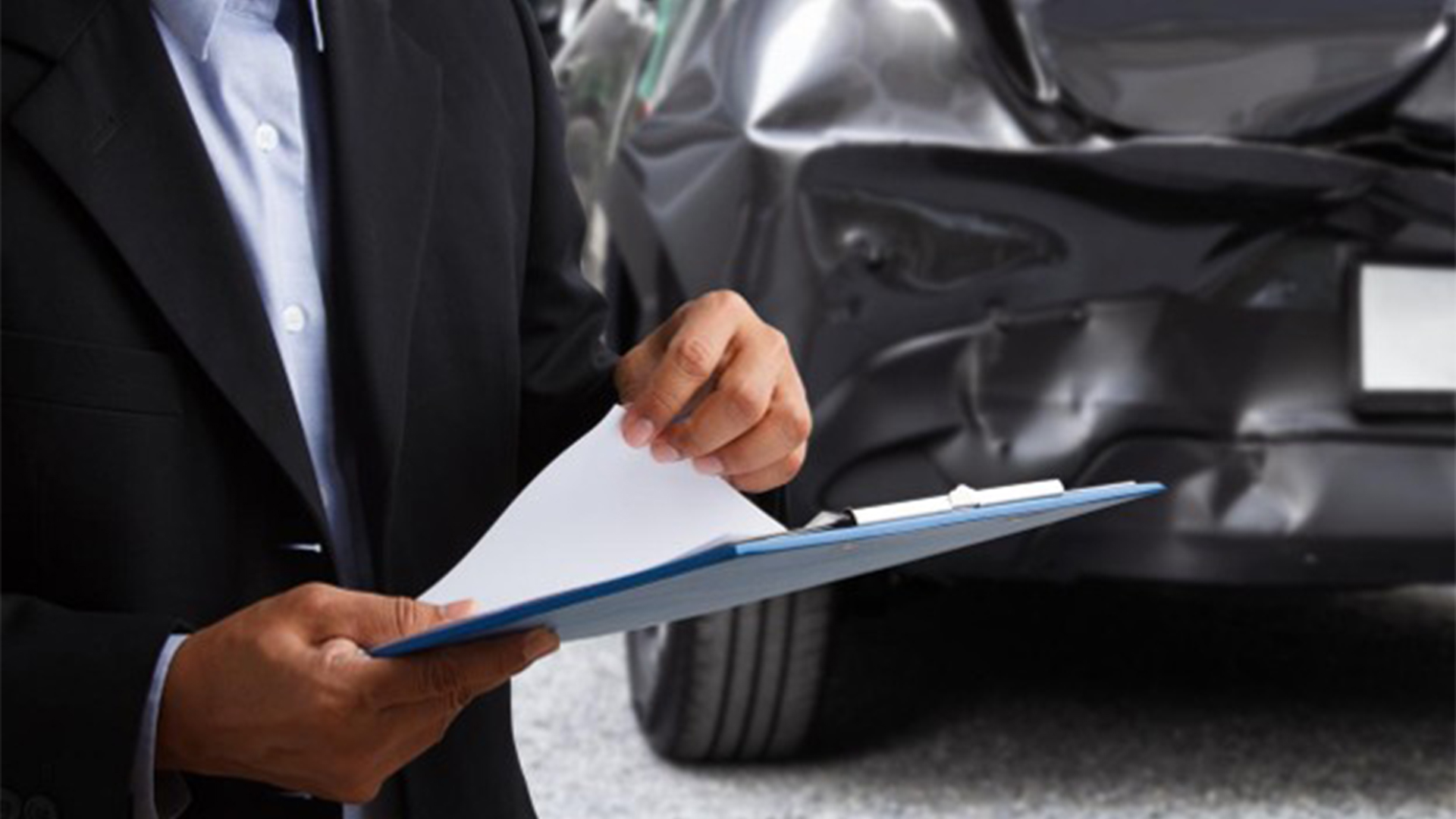
A car accident interrupts more than your commute. In Calgary, it can quickly turn into a complex mix of insurance rules, medical assessments, repair estimates, and legal deadlines governed by Alberta legislation. What you do in the minutes after impact matters, but what you do in the days and weeks that follow often determines the strength of your recovery, both physically and financially.
Many drivers search for what to do after a car accident in Calgary only after it has already happened. By then, statements may have been made, medical care delayed, and documentation overlooked. This guide sets out a clear and practical framework built around Alberta’s fault-based insurance system, so you can protect your health, preserve evidence, and position your claim properly from the outset.
Immediate Steps to Take After a Car Accident in Calgary
The first stage is about safety, compliance, and documentation. Alberta law requires certain collisions to be reported, and insurers expect prompt notice. Acting methodically in these early moments not only protects everyone at the scene, but it also lays the groundwork for any future claim and ensures you can access professional auto injury support if injuries emerge later.
A reliable car accident checklist Alberta drivers can follow includes:
- Assess injuries and call 911 if necessary. Emergency services should be contacted if anyone is injured, if a pedestrian or cyclist is involved, or if damage appears significant.
- Move vehicles out of active traffic where possible. Activate hazard lights and reduce further risk.
- Exchange complete information. Obtain the other driver’s name, address, phone number, driver’s licence number, licence plate, insurer, and policy number.
- Photograph the scene thoroughly. Include vehicle positions, visible damage, debris, road conditions, traffic signs, and any visible injuries.
- Identify witnesses. Independent accounts often become decisive in disputed liability cases.
- Avoid discussing fault. Provide factual information only. Determining liability is a legal and insurance process, not a roadside conversation.
In Alberta, collisions involving injuries or property damage exceeding $2,000 must be reported to police or a collision reporting centre. With modern vehicle repair costs, that threshold is met more often than drivers expect.
What to Do After a Minor Car Crash in Calgary
Even low-speed impacts can lead to injury claims. The steps to take after a minor car crash in Calgary are frequently underestimated because the vehicles appear drivable and no one seems seriously hurt.
After leaving the scene, you should:
- Report the collision if it meets the reporting threshold.
- Notify your insurer without delay.
- Schedule a medical assessment, even if symptoms seem mild.
- Keep all repair estimates and invoices.
Soft tissue injuries such as whiplash often intensify over the following 24 to 72 hours. A delay in medical documentation can create unnecessary obstacles when benefits are later claimed.
The Importance of Medical Evaluation After a Car Accident
Yes, you should seek medical attention promptly, even if you believe the collision was minor.
The question should I go to the doctor after a car accident Alberta residents commonly ask arises because pain is not always immediate. Adrenaline can suppress early symptoms, and injuries such as concussions or ligament strain may develop gradually. A timely medical evaluation accomplishes three critical objectives: it protects your health, establishes a documented link between the accident and your symptoms, and activates access to Section B accident benefits under Alberta’s insurance regime.
Follow your physician’s recommendations carefully and attend all scheduled appointments. Gaps in treatment are often scrutinized by insurers assessing the legitimacy and severity of a claim.
Reporting Requirements and Insurance Notification in Alberta
Reporting is not optional in qualifying collisions, and prompt insurer notification is usually a condition of your policy.
You should:
- Report the accident to a Calgary Police Service collision reporting centre if required.
- Obtain and retain the police file number.
- Inform your insurer of the collision as soon as reasonably possible.
Early reporting does not mean accepting liability. It means preserving your contractual rights under your policy and ensuring access to benefits.
How to File a Car Accident Injury Claim in Calgary
Filing a claim involves navigating both statutory benefits and potential tort claims against an at-fault driver. If you are asking how to file a car accident injury claim in Calgary, it helps to understand the structure of Alberta’s system.
Opening the Insurance Claim
Contact your insurer and provide:
- The date, time, and location of the collision
- Details of all involved drivers
- The police report number
- A description of your injuries
Under Alberta’s fault-based system, you may access Section B accident benefits regardless of who caused the collision.
Accessing Section B Accident Benefits
Section B benefits can cover:
- Medical and rehabilitation expenses
- Income replacement within regulated limits
- Certain additional treatment costs
These benefits are subject to caps and timelines. Delayed applications can affect eligibility.
Advancing a Personal Injury Claim
If another driver was at fault, you may also pursue compensation for:
- Pain and suffering
- Loss of income beyond Section B limits
- Future care needs
- Out-of-pocket expenses
Alberta generally imposes a two-year limitation period to commence a lawsuit, calculated from the date of the accident. Missing that deadline can bar recovery entirely.
Evidence Preservation After a Calgary Car Accident
The strength of any claim depends on documentation. Memories fade, vehicles are repaired, and scenes change.
Preserve:
- All photographs and video
- Dashcam footage
- Medical records and referrals
- Employment documentation confirming missed work
- Receipts for medications, therapy, and transportation
Maintaining a contemporaneous journal describing pain levels, sleep disruption, missed activities, and emotional impact can provide valuable context months later during negotiations or litigation.
Common Errors That Undermine Car Accident Claims in Alberta
Certain patterns appear repeatedly in weakened claims:
- Delaying medical treatment
- Discontinuing therapy prematurely
- Posting about the accident or physical activity on social media
- Providing recorded statements without preparation
- Accepting early settlement offers before long-term prognosis is clear
Insurers evaluate consistency across medical records, employment records, and personal statements. Precision and caution are essential from the outset.
Why Legal Advice Matters in Serious Calgary Injury Cases
Not every collision requires litigation. However, legal advice becomes important when injuries interfere with employment, long-term health, or daily function.
You should consider speaking with a lawyer if:
- Symptoms persist beyond several weeks
- You are unable to return to work
- Fault is disputed
- Benefits are denied or restricted
- A settlement offer appears inadequate
An experienced injury lawyer can assess liability, quantify damages based on Alberta case law, and manage negotiations so that short-term pressure does not compromise long-term recovery.
A Structured Approach to What to Do After a Car Accident in Calgary
A disciplined response reduces risk. For clarity, here is a consolidated car accident checklist Alberta drivers can rely on:
- Secure the scene and seek medical help if required.
- Exchange full driver and insurance information.
- Photograph vehicles, injuries, and surroundings.
- Report qualifying collisions to police.
- Obtain prompt medical assessment.
- Notify your insurer and apply for Section B benefits.
- Preserve all documentation and receipts.
- Seek legal advice if injuries are significant or liability is contested.
Taking these steps creates a clear evidentiary record and positions your claim within Alberta’s legal framework from the beginning.