
Research shows that while attending trade shows leads to many business cards and conversations with potential clients, those client relationships do not necessarily turn into business relationships. In fact, on average, 80% of B2B clients require a minimum of five follow-up interactions before converting into a sale. Most exhibitors fail to follow up after just one or two touches.
So, how can you address this issue? The solution is not merely to spend more on booth size or to have a larger event budget. It is adopting a smarter, end-to-end approach. This guide will outline six actionable ideas for driving the right prospects to your booth, capturing quality data, and converting booth conversations into dollars.
Set Up Appointments Pre-Show
Top-rated sales organizations in the industry don’t rely on attendee foot traffic. They generate their own. Pre-event, top performers are doing the following.
- Identifying key prospects within their CRM
- Contacting them with an informative and compelling message
- Explaining why they should meet
- Confirming an appointment time prior to the event
A simple, benefit-oriented message to request a meeting is significantly more effective than sending generic invitations. When you have a significant portion of your meeting calendar booked prior to the event, you can schedule more appointments with decision makers and fewer idle times hoping someone walks by.
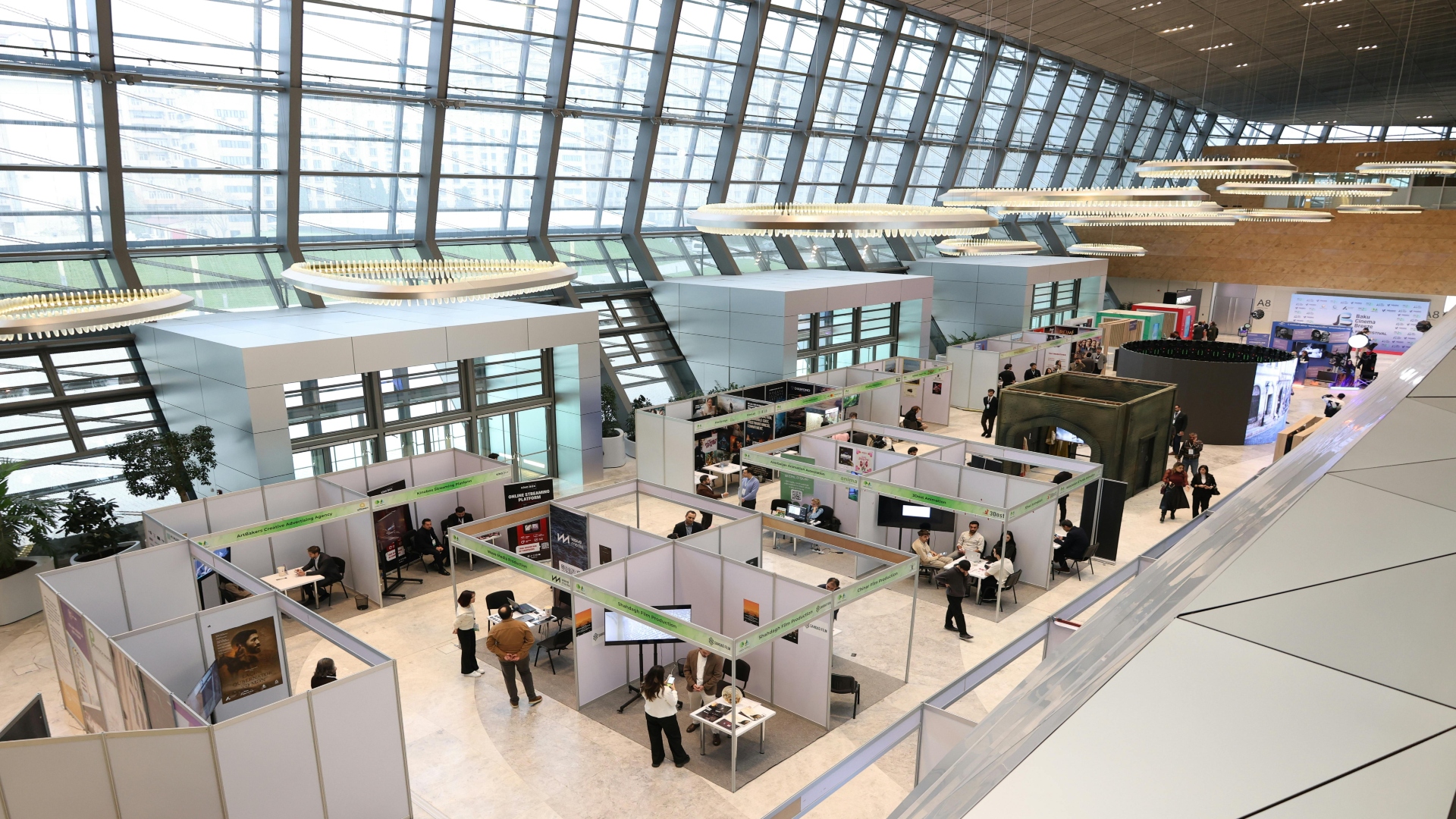
Flow of Booth Design for Maximum Visitor Engagement
Many booths fail because they don’t direct movement. Lack of direction causes them to hesitate, take a quick tour, and leave. A well-designed booth will lead visitors quickly from being curious to a conversation.
Three things are critical for ensuring a successful flow of guests through your booth:
- Using open entry points
- Having an easily understood visual path to follow
- Positioning your booth staff accordingly
You can create a logical sequence for visitors moving through your booth by creating a logical flow through your booth rather than filling it with literature. Start with an eye-catching headline that grabs their attention, then a demo area, and finally to a point where lead details are captured.
Use Experiential Demos to Create Memorability
Brochures are not memorable. Experiences are. Rather than showing prospective clients your product, allow them an opportunity to interact with it. The most effective way to build long-term memory of your product is through a brief, focused demonstration that illustrates actual results.
When prospective buyers see, hear, feel, touch, or eat the product themselves, the message becomes concrete. Experience makes it easy for them to remember when they are attempting to recall your product in comparison to other suppliers.
Capture Leads Quickly and Easily With QR Codes & NFC
Lead capture should be easy and comfortable, and not transactional. Using modern tools such as QR codes and NFC taps removes friction and reduces errors. Rather than having to manually enter information or collect business cards, a visitor can simply scan or tap their information and share it with you.
The most important part is to keep forms short and relevant to the moment. You can always add more detail later. What matters is getting the accurate information that the visitor is interested in.
Using High-Impact Visuals To Capture Attention
In a busy exhibition hall, attention is earned in seconds. If your visual displays don’t show value right away, you will lose them. Good booths have clear, bold, and large headlines.
They use clean designs and layouts, and high-contrast colors that can be read from far away. A strong banner design can also help communicate your key message quickly and make your booth easier to recognize from a distance. Consider exploring industry-leading large format printing services to select banners and backdrops that truly stand out. The right materials, finishes, and sizes can make your booth visible long before attendees reach it.
Enforce Post-Show Follow-Up SLAs
After the event is over, the biggest mistake that can happen is that leads go cold because follow- up is late and inconsistent. The best teams have the same expectations for follow-up. It should happen as soon as possible, usually within the first 24-48 hours.
Use messaging that refers to the actual conversation and establish an organized sequence for follow-up across several channels. Organizing leads based on priority gives you the best chance for success. It ensures that your most valuable opportunities are addressed first. Speed and relevance are essential for turning general interest into action.
Small Gaps in Execution Kill Big Opportunities
Trade show success isn’t about chance. It is about consistency across every stage. If you combine your pre-event outreach with a well-thought-out plan during the event, you create a system that works.
Instead of collecting leads that fade away, build a pipeline that moves forward. Remember that success requires careful planning before, during, and after the event.