
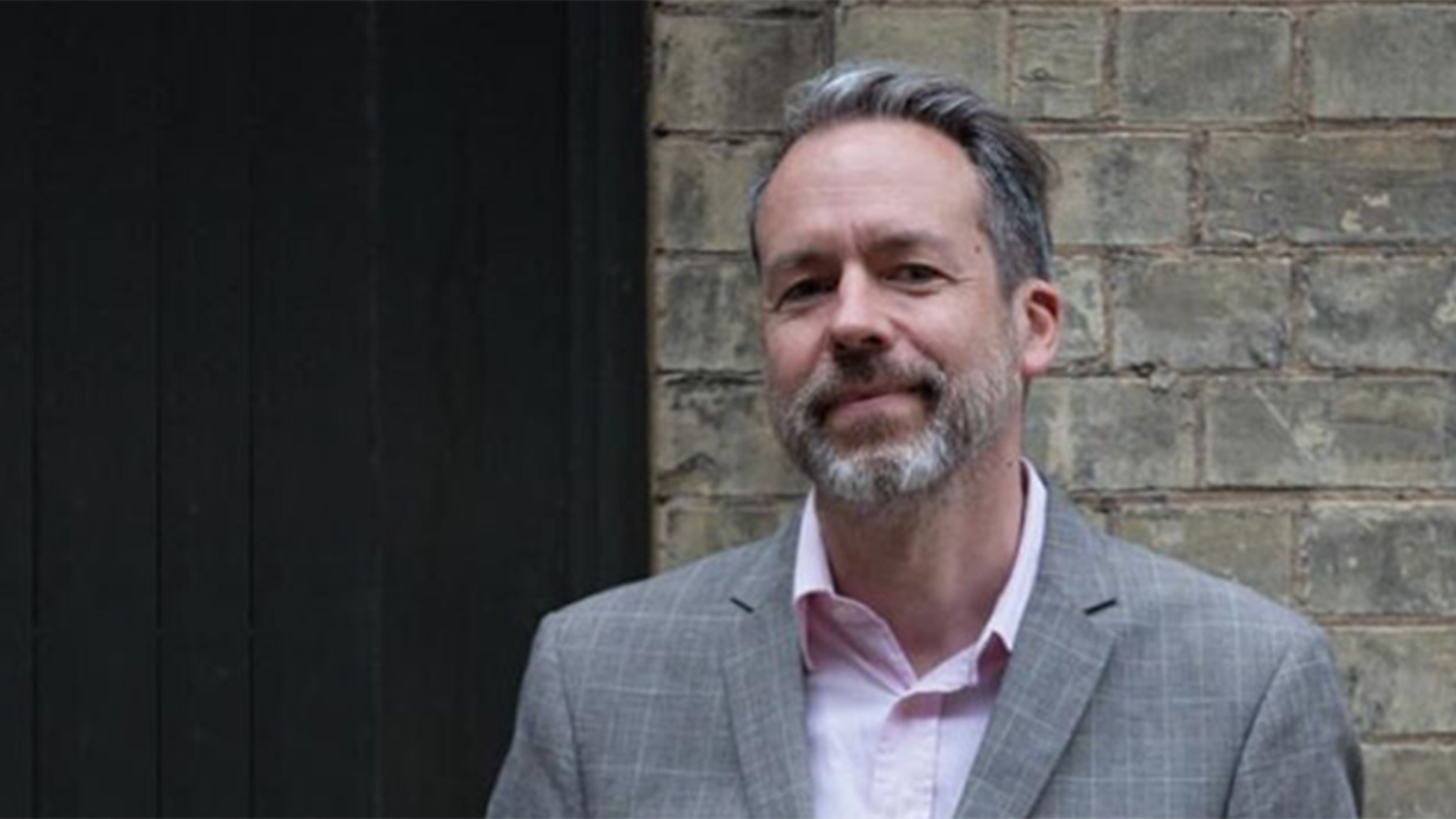
This exclusive interview with William Higham was conducted by Tabish Ali of the Motivational Speakers Agency
Changes in consumer behaviour rarely happen without warning. Attitudes shift first, giving businesses an opportunity to anticipate what customers will need before those changes become visible in the market.
William Higham is a consumer behaviour expert, behavioural futurist and Founder of Next Big Thing. The author of The Next Big Thing, he has advised organisations including HSBC, the BBC and Mindshare, using consumer research to identify emerging trends and commercial opportunities.
In this exclusive interview with the Inspirational Leadership Speakers Agency, William explains how uncertainty is reshaping the workplace, why consumer attitudes can predict buying behaviour and how businesses can use psychology to understand their customers.
Question 1: How have recent global disruptions reshaped the workplace, and which organisational and consumer trends should business leaders prepare for?
William Higham: “Recent events have created understandable anxiety among business owners and employees. There is nervousness about what will happen next, and business owners need to make people feel more comfortable about that.
“They must create a clear vision and accept that things will not suddenly return to normal. Companies need to prepare for an uncertain world, but smart businesses can use that uncertainty to identify new opportunities for growth.
“COVID showed that businesses and employees can change very quickly when necessary. There were teething troubles, and some companies adapted better than others, but people became accustomed to new ways of working remarkably quickly. It also showed that traditional ways of working are not necessarily the best ones for the current environment.
“Uncertainty is the new normal. Companies need to become more agile and resilient so that they are ready for whatever comes next.
“In a volatile world, consumers will look for three things: control, comfort and community. They want greater control because the world has felt out of control. They want comfort because people are stressed and anxious. They also want a sense of community and support.
“Consumers have lost trust in major institutions, including governments, the media and some large businesses. Community will therefore become a key trend.
“This presents an opportunity for businesses. Customers are looking for support, and companies can provide it through better customer experiences, practical advice and help with saving money. Businesses that make customers feel supported and part of a brand community can build stronger loyalty.
“The more engaged people are with a brand, the more they will spend and the more loyal they will become. During an unstable period, businesses that give customers meaningful support can gain a significant competitive advantage.”
Question 2: Why should businesses examine the attitudes behind consumer behaviour rather than focusing solely on purchasing activity?
William Higham: “Everything hinges on the consumer. I started in the music industry and worked with everyone from Michael Jackson to the Rolling Stones in marketing. Although I loved the musicians, I realised that my fascination was with music fans and customers.
“I believe the customer-led company performs best, and this will become increasingly true. Businesses need to focus more closely on customer needs. Customers do not have to remain loyal because they have so much choice. Making the customer your North Star is the best way forward.
“It is also important to examine consumer attitudes. Businesses often focus on consumer behaviours, such as whether people are shopping online or using mobile devices. That information is valuable because it provides sales and marketing platforms.
“Consumer attitudes can help businesses predict future behaviour. People do not suddenly change their behaviour without a reason. Their behaviour changes because their attitudes have changed.
“People recycle and buy greener products because their attitudes towards the climate have changed. That shift may have been influenced by the government, the media or their friends. Once you identify the change in attitude, you can anticipate the behaviour that will follow.
“Businesses should monitor consumer attitudes because they provide an early indication of what customers will do next.”
Question 3: How can businesses use psychology and emotional drivers to anticipate changes in consumer behaviour?
William Higham: “It is useful to understand basic human psychology. Anyone working in a consumer-facing department should develop an understanding of it.
“People are typically motivated by emotions such as fear, happiness, loneliness or embarrassment. To predict customers’ future needs and expectations, businesses should understand which emotions are motivating them now.
“They should then identify what could affect those emotions. The economic or geopolitical situation may create more fear, while new personal technologies may make people feel more confident.
“Understanding these drivers can help businesses anticipate new emotions, attitudes and behaviours.
“I sometimes feel like a cross between a journalist and a psychiatrist. I examine what is happening in the world and consider how it will affect customer attitudes and behaviour.”