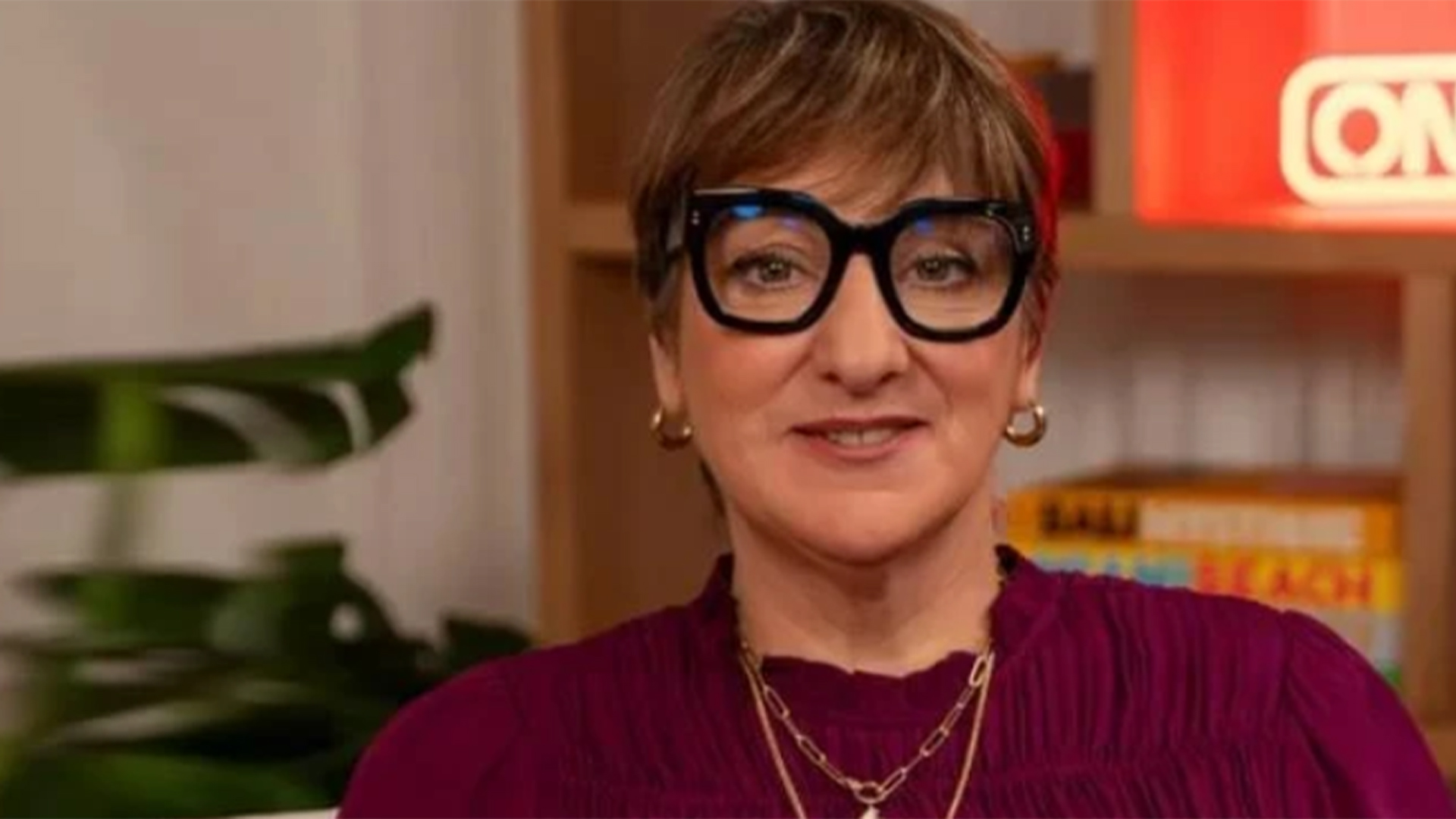
This exclusive interview with Louise Hill was conducted by Tabish Ali of the Motivational Speakers Agency.
Louise Hill co-founded GoHenry in 2012 to help children learn how to manage money. Her experience building the business has since taken her into fundraising, acquisitions and campaigning for financial education in schools.
Speaking exclusively to Female Motivational Speakers Agency, Hill reflects on the leadership lessons that came with those responsibilities, including why sharing every investor rejection with her team proved demotivating.
She also explains how GoHenry’s mission has guided difficult business decisions, why the company took its case for financial education to government, and what she hopes fellow entrepreneurs learn from the setbacks as well as the successes.
1. What did leading GoHenry through funding rounds, acquisition and exit teach you about leadership?
Louise Hill: “So many things, not least how to keep standing back up after a knockback, because there were plenty of knockbacks.
“One thing I learned with funding rounds, in the early days, was that I was very focused on bringing the whole team along with us. I would share the fact that we were meeting prospective investors with the whole team, thinking that was really motivational and exciting.
“But some funding rounds are not easy. If you keep getting knocked back, you have to deal with that rejection yourself, and then you have to go back to the team and tell them it was a no as well. It can end up being really demotivating for the team, which, in my case, was the opposite effect to the one I was after.
“As an exec team, we learned to share with everybody that we were working on a funding round, but not share every hopeful meeting we went along to, and certainly not every single rejection we got. We learned to compartmentalise that. Not hiding things, but being selective about what we shared with the team.
“In regards to funding or acquisition, it carries on from that same point. I learned not to drag the whole company into it. We learned to set up specific project teams. We would have a project team working on that funding round, or a different project team working on the acquisition.
“We would still update the whole company at our all-hands meetings, but not bring them into the detail all the time. That enables you to keep the business running smoothly while small, specialist teams work on high-intensity projects to take the business forward.”
2. How can a company’s founding purpose guide its commercial growth?
Louise Hill: “I believe having a very clear central mission or purpose to the business is a secret superpower. It helps you drive growth.
“At GoHenry, if we’re debating the right course to take, whether that’s a product feature, a wider business decision or pretty much anything, it’s amazing how often asking the simple question, “What is the right decision for the customer?”, gives you the right answer.
“Suddenly, all the other arguments fall away, and it’s blindingly obvious which route we should take. Following that path drives growth because it drives trust. It reinforces that what you do, you are doing for the benefit of your customer first and foremost.
“That trust means customers come to you and stay with you. I really mean superpower when I say that word.”
3. What did GoHenry’s campaign for financial education in schools teach you about influencing government policy?
Louise Hill: “I can only really talk about what we did at GoHenry. Our mission statement has been the same for years: to make every kid smart with money.
“Six years ago, when we were looking at how we could best deliver on that, setting strategy for the next period, it was easy to see that, as a subscription business, we were never going to reach every child in any of the countries we operate in.
“So we started thinking about other ways to deliver on the mission. One was to go into schools and youth clubs ourselves and run financial education classes, but we didn’t have the bandwidth or the funds to do that.
“The second idea was to set up a GoHenry foundation, hopefully get corporate sponsorship for it, and then gift GoHenry for free to deserving families. We got quite excited by that. But when we started to think about what rules we would use to decide which families would get GoHenry for free and which would have to pay, it became incredibly complicated.
“That left only one route that made any sense to me. We needed to persuade the government to make financial education mandatory in schools. Because we know money habits are formed by the age of seven, it needed to start in primary schools, not wait for secondary school.
“If we could do that, we knew we could reach 98% plus of all kids in the UK, basically every kid who goes to school.
“Not to be put off by the fact that none of us had any experience in lobbying government or changing policy, that’s what we started working on.
“One of the key things we did, which I think truly helped, was share our data, anonymised obviously, and research with both the Treasury and the government, giving them clear evidence that teaching kids about money changes behaviours for life.
“That sounds incredibly worthy. I’m going to hit you with a couple of statistics. If somebody has had financial education as a child, they are 46% more likely to start a business.
“That sounds great. What does it actually mean? If that happened across the UK, that would be 75,000 new businesses every year. It would be 123,000 new jobs every year, which would bring down unemployment in the UK by around 8% and add 7 billion pounds every year to our GDP.
“If you think about the societal impact of that, it’s huge. For an individual, somebody who’s had financial education as a child will have £70,000 more in their pension pot when they reach retirement age.
“Even more impactful, if they are specifically taught about investing, they will have £250 to £300,000 more in their investment pot than somebody who has not been taught about that as a child.
“Absolutely life-changing outcomes for individuals and society, and that’s why it matters.
“I’m absolutely delighted to be able to say that, at the end of last year, on the back of a report from the curriculum and assessment review, the government announced that they would make the national curriculum mandatory, which it wasn’t previously, and that financial education would be added to the curriculum, starting in primary schools from September 2028.
“A huge win for society as a whole, and something I’m very proud of. I know the whole team at GoHenry are very proud of having had a hand in that.”