

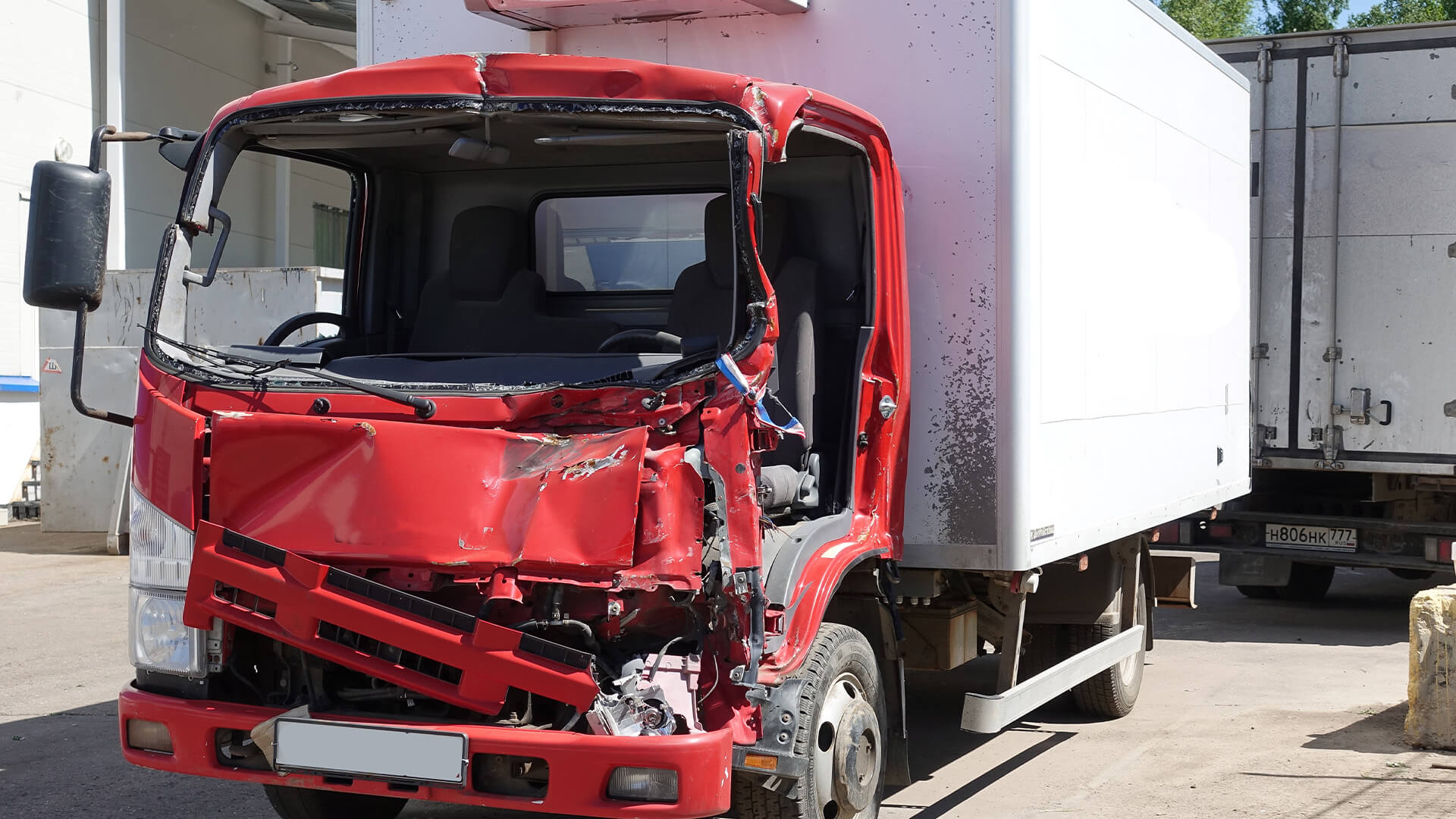
Transportation liability is an important aspect of the trucking business. Liability insurance covers both the transportation of goods by providing services to other businesses, as well as the risk of potential damage to property and injury to the general public. The Federal Motor Carrier Safety Administration (FMCSA) requires trucking operators and businesses to obtain transportation liability insurance.
According to the FMCSA, trucking businesses should obtain transportation liability insurance with sufficient coverage for both property damages and bodily injuries. The exact amount of coverage needed depends on the value of the cargo that the truck will be carrying. You can check out sites like tafs.com if you need to ask someone about trucking business management. This will be reviewed and determined by the FMCSA. They’re also going to evaluate the potential damage that might be caused by your company’s cargo or service trucks.
Here are some ways a trucking business can avoid any risk for potential liability:
1. Review Your Contracts With Brokers/ Carriers
Trucking businesses shouldn’t assume that the transportation liability insurance of a broker or carrier automatically covers them. They should thoroughly review the legal language of their broker’s or carrier’s liability coverage. Keep in mind that it’s more likely for your brokers’ carriers to exclude trucks from the coverage if it means they could save money, but at the same time be protected from potential liability.
The existing practice is that most carriers only obtain legal liability insurance coverage. This is so much different from standard or general liability insurance. If anything happens to the goods, for instance, which is attributable to ‘acts of God,’ these aren’t usually covered by legal liability insurance. Claims based on such events would be charged against the shipper’s insurance if they have any.
2. Get Transportation Lawyers To Review Contracts
The transportation market is poised to grow further in the near future that the trend now is to introduce Internet of things (IoT) and smart contracts into the industry. It would be highly advisable for you to consult lawyers specializing in transportation law and insurance to write your contracts, as well as those of your brokers’ and carriers’. This is important to make sure that your contracts don’t omit important clauses and at the same time not include clauses that are contrary to laws.
For example, the Carmack Amendment provides ways to control and limit the liability of common carriers. This was enacted to address certain aspects of shipment, such as in-transit cargo. But, certain items, such as fresh produce, are categorized by the Carmack Amendment as an exempt commodity. Furthermore, there are other differences in requirements among goods and modes of transportation.
Trucking businesses should negotiate for clear terms and conditions with each shipper, shipper-broker, or shipper-broker-carrier contract. They should have more caution about thinking that a ‘one-contract-fits-all’ approach would save them money. In the long run, it’s going to cost them more money if one of their trucks figured in an incident with a potentially catastrophic transportation liability.
3. Review Your Company’s Transportation Insurance Coverage
Make sure your trucking business is covered. You might want to ask your lawyers to review your transportation liability insurance coverages and exclusions. Trucking policies required under federal laws may not give your business full protection, so you’ll have to include special coverages for your various hauling transactions.
Don’t assume that the carrier’s liability insurance is comprehensive, or that it’ll cover all claims and all aspects of the shipment. Neither should you assume that your existing liability insurance will cover all aspects of the shipment. As a minimum, your liability coverages should include cargo, property damage, and bodily injury. You should also alert your operations team to make it their best practice to review special, exceptional, or high-value shipments, and make sure that these are covered by transportation liability insurance.
A lot of truckers rely on their own notion that they’ll have evidence of coverage just by requiring shippers to show them a certificate of insurance. Keep in mind that all cargo policies have a lot of exclusions at the back or in their footnotes. Most shippers and carriers will spend only for insurance that’ll meet their legal liability, especially if this means they’ll be able to save some money.
4. Manage Risk By Selecting Coverages Per Shipment
There are numerous transportation liability insurance providers that trucking businesses can choose from. They should select those that’ll give them the widest array of options and the best coverages for all their trucking operations. There are insurers who provide a special portfolio of coverages for truckers and trucking operations in the Western states of California, Arizona, Idaho, Oregon, New Mexico, Washington, Utah, Wyoming, and Nevada. This portfolio generally includes cargo to and from Texas.
These coverages are usually categorized into domestic standard and non-standard domestic coverages. Standard coverages provide insurance to haulers, general freight haulers, and produce haulers. The coverages include physical damages, trailer exchange, auto liability, and towing. For hauling that doesn’t qualify for the standard rates, providers offer insurance with the same coverages and limits under the non-standard policies.
Proactive Risk Management
Trucking businesses are advised to observe the list of tips discussed above. Also, trucking companies can proactively manage their potential risk for trucking liability by requiring their drivers to undergo training when needed. They should also carefully select their drivers, and employ monitoring technology to lessen instances of driving while drinking or using cellphones.