

Running a cultural institution has never been straightforward. Museums manage timed entry and school groups. Theatres balance subscriptions, seat management, and last-minute demand. Opera houses maintain complex patron relationships while handling premium pricing and multi-production seasons. And all of them are doing this while facing shrinking public budgets, rising digital expectations from audiences, and the operational pressure of managing multiple audience types at once.
The ticketing system sitting underneath all of this matters more than it might seem. When it works well, it is largely invisible, allowing visitors to book easily, staff to spend less time on manual tasks, and for revenue from memberships, packages, and add-ons to flow naturally. When it doesn’t, the friction shows through abandoned bookings, long entry queues, siloed data, and teams stuck managing workarounds instead of focusing on the experience itself.
This guide looks at what effective ticketing events solutions for culture events need to provide for organisations, and what cultural institutions should look for when evaluating platforms.
Why cultural institutions need specialised ticketing
General-purpose event ticketing tools are built around a fairly simple model: list an event, sell a ticket, validate entry. Cultural institutions are operating in a more complex environment than that.
A mid-sized theatre alone may need fixed-seat subscriptions and flexible packages, promotional pricing for younger audiences, group booking management for school visits, fundraising integration, partner sales through tourist offices and corporate sponsors, mobile entry, and a CRM that connects all of this into a coherent picture of who the audience actually is.
Museums add timed entry to that mix. Opera houses also need to nurture high-value patron relationships, premium bundled experiences, and the challenge of managing resale in a way that protects both revenue and brand. Heritage organisations often need all of the above across multiple sites simultaneously.
The practical result is that cultural institutions running on systems that were not built for this complexity tend to end up with fragmented operations: one system for ticketing, another for memberships, a spreadsheet for group bookings, a separate email tool for campaigns. Data lives in silos. Staff spend significant time on manual reconciliation. And the visitor experience suffers because the institution cannot recognise or communicate with its audiences in any joined-up way.
What to look for in ticketing events solutions for culture events
1. A unified platform, not a collection of tools
The most significant operational improvement cultural institutions typically report when upgrading their ticketing infrastructure is consolidation. One platform handling ticketing, access control, memberships, partner sales, and patron data removes the overhead of managing multiple systems and the inevitable gaps between them.
Multi-venue organisations, such as city-wide cultural networks, regional heritage bodies and institutions spread across several sites, particularly benefit from this. Each venue can retain autonomy over its own programming, pricing, and day-to-day operations while feeding into a single organisational view of inventory, data, and performance.
2. Timed entry and capacity management
For museums and heritage sites especially, controlling visitor flow is both an operational and an experience question. Poorly managed capacity means queues, overcrowded galleries, and stressed staff. Well-managed timed entry with real-time inventory controls that spread arrivals through the day and prevent overbooking makes the visit better for everyone.
The right platform allows capacity rules to be set at the venue level, the zone level, or the individual experience level, with automation handling the enforcement rather than leaving it to manual monitoring. During peak periods, like blockbuster exhibitions, school trip season, public holidays, this kind of granular control is the difference between smooth operations and chaos.
3. Memberships, subscriptions, and season packages
Recurring revenue from memberships and subscriptions is increasingly important for cultural institutions managing against uncertain public funding. The ability to offer, manage, and renew these products digitally, without paper forms, phone calls, or manual processing, matters both operationally and for the patron experience.
Theatre and opera subscriptions in particular can be complex, requiring flexibility to offer fixed-seat season tickets, flexible pick-your-own packages, bundled experiences that include pre-show dining or exclusive events. A platform built for cultural institutions handles these models natively rather than requiring workarounds.
Renewal automation, early access offers for subscribers, and loyalty recognition for long-term patrons can all be built on top of this foundation, but only if the membership data is properly integrated with the rest of the ticketing and CRM stack.
4. Group bookings and B2B partner sales
Group management is one of the most operationally intensive areas for cultural institutions. School visits, guided tours, corporate group bookings and tour operator partnerships each have their own pricing logic, access requirements, and administrative overhead.
Effective ticketing events solutions for culture events handle group bookings within the same platform as individual sales, rather than routing them through a separate system or a manual process. This means configurable pricing and access rules for each audience type, dedicated portals for B2B partners and resellers, and the ability to manage guide availability, time slots, and language requirements without separate tooling.
Donation and fundraising integration within the booking flow is also worth noting here, for institutions where development is a significant revenue stream, the ability to prompt for a gift at the point of purchase, without sending visitors to a separate system, is a meaningful difference.
5. Patron data and audience intelligence
The most valuable asset a cultural institution builds over time is its understanding of its audience. Who attends, how often, what they respond to, when they lapse, and what brings them back. This intelligence only exists if the data is being captured, consolidated, and made accessible.
Two things undermine this in practice: fragmented systems that keep visitor data in silos, and platforms that restrict institutional access to their own audience data. The right approach is a centralised patron profile that consolidates every interaction, from ticketing history to campaign engagement, to membership status and spend, into a single record, with full institutional ownership and the ability to connect to external BI tools for deeper analysis.
This kind of audience intelligence is what makes it possible to run targeted communications that are genuinely relevant rather than generic broadcast emails. A patron who regularly attends contemporary theatre but has never bought into a subscription is a different communication target than a lapsed member who attended frequently three years ago. Acting on that difference requires having the data in the first place.
6. Mobile ticketing and frictionless entry
Venue entry is the moment where the visitor experience is most visibly affected by the quality of the ticketing infrastructure. Long queues, validation failures, and staff manually checking printed tickets are all symptoms of systems that are not built for the volume and pace of modern cultural attendance.
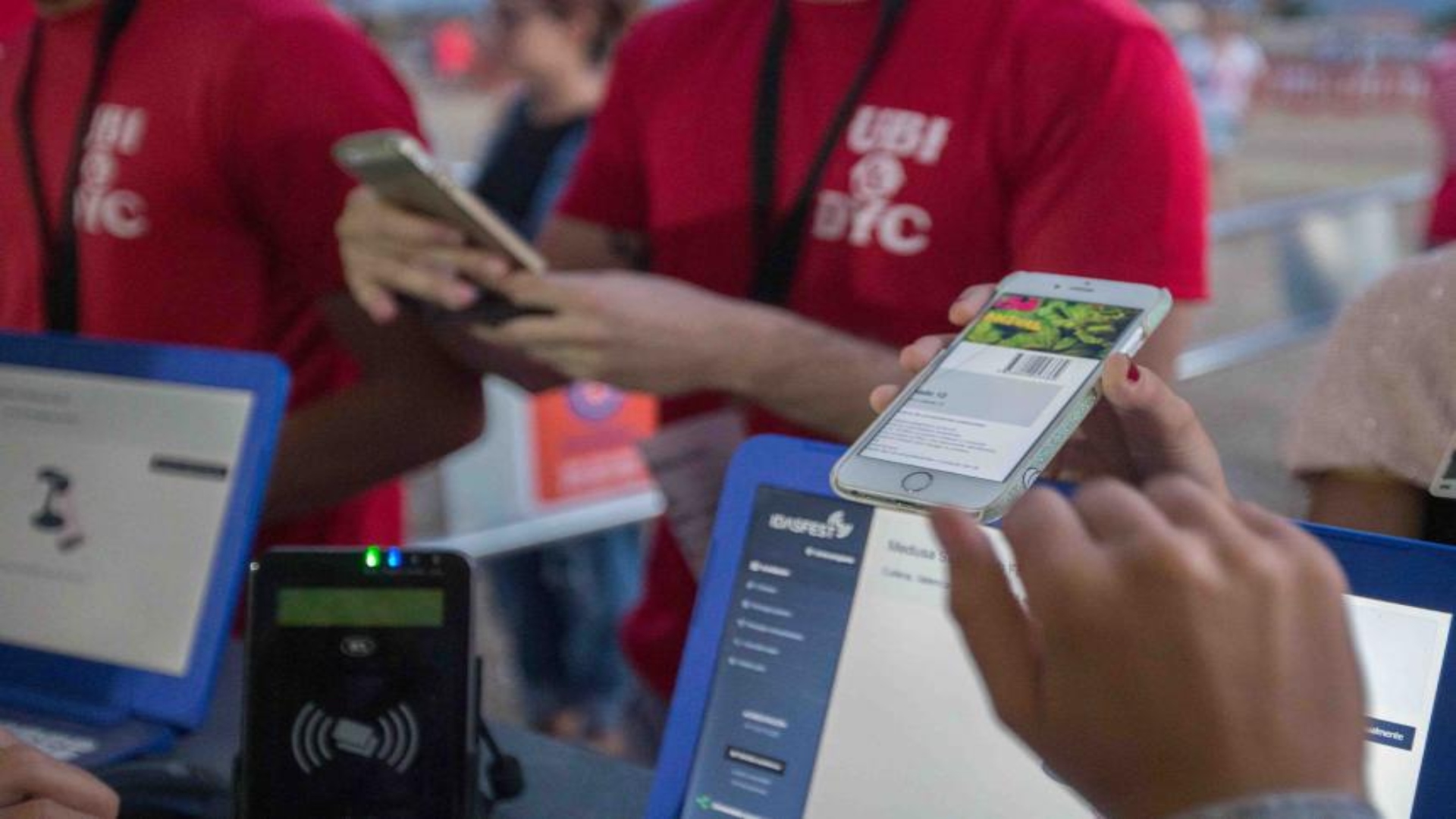
Secure digital ticket wallets delivered to a patron’s phone and validated by fast, reliable scanning at the gate solve most of these problems. They also provide additional channels for communication (organisations can use them to enable push notifications for event updates, delays, or safety information) and support self-service functionality, allowing patrons to transfer or exchange tickets without contacting the box office.
7. Secondary market control and ticket protection
Unauthorised resale is a significant concern for high-demand events and high-value tickets. For opera houses and theatres running popular productions, the gap between face value and secondary market prices is both a revenue issue and a patron experience issue.
Platforms that give institutions control over their own resale address this without simply blocking legitimate transfer needs.
Ticket protection products, offered at the point of purchase, can also serve a different but related purpose in reducing the barrier to booking for high-value or advance-purchase tickets by giving patrons confidence that their plans are covered if circumstances change. For institutions where many tickets are sold weeks or months in advance at significant price points, this can make a measurable difference to conversion.
An evaluation checklist for cultural institutions
When assessing ticketing events solutions for culture events, it is worth working through a structured set of questions:
- Does it manage your full range of venue types and offering formats, such as exhibitions, seated shows, guided tours, group visits, from a single platform?
- Can it handle timed entry and capacity management at venue, zone, and experience level?
- Does it support subscriptions, memberships, and flexible season packages natively, with renewal automation?
- Is patron data fully owned by the institution, with open APIs and BI tool connectivity?
- Can it manage multiple venues simultaneously, with both centralised oversight and local autonomy?
- Does it include self-service tools for patrons, like ticket exchange, transfer, account management, to reduce box office load?
- Is there built-in fraud prevention and a controlled resale solution?
- Does it integrate with your existing CRM, payment, and access control infrastructure?
Getting it right
The right ticketing platform for a cultural institution reduces operational complexity while opening up revenue and audience intelligence that fragmented systems cannot deliver.
For institutions that have grown up on legacy systems or cobbled-together point solutions, the transition to a unified platform is often where the biggest gains are found, with staff time redirected from manual processes, audience data that actually supports programming and communications decisions, and a visitor experience that reflects the quality of what the institution offers.
For institutions already using modern infrastructure, the questions tend to be more specific: whether the secondary market is properly controlled, whether subscription products are flexible enough, whether the data is genuinely accessible or living behind a vendor’s reporting layer.
Either way, the evaluation framework is the same. Start with the operational pain points, map them to platform capabilities, and look for solutions that have genuine depth in the specific areas that matter for your venue type, whether that is timed entry for a museum, subscriptions for a theatre, or patron loyalty for an opera house.
For a detailed look at how these capabilities come together in practice, this ticketing events solutions for culture events page covers the specific tools and workflows relevant to museums, theatres, operas, and multi-venue cultural networks.