
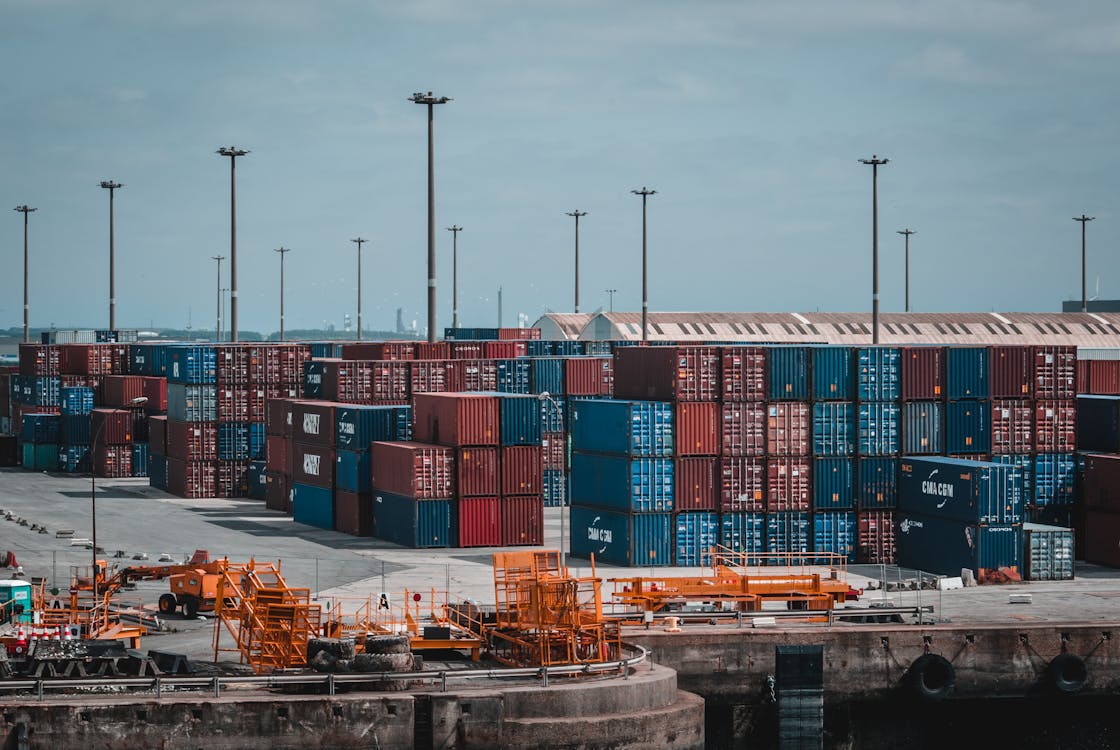

Freight shipping is a very important part of global trade, helping businesses move goods over long distances. Getting goods ready the right way for freight shipping is necessary to make sure they reach their place safely and without problems. This needs careful planning and focus on details. It includes packing, labeling, paperwork, and choosing the correct way to ship. Here are good methods for getting products ready for freight shipping.
Effective Packaging
The main thing for safe freight shipping is good packaging. Proper packaging keeps items safe from harm during moving, handling, and keeping in storage. Use strong, good materials that can handle tough shipping. For heavy or big items, think about using stronger crates or pallets. Delicate things should be covered in safe materials like bubble wrap, foam, or soft dividers.
When packing goods, make sure they are tightly secured and cannot move around during transport. This is especially crucial for things that can get damaged by movement. Put soft materials in any empty areas inside the package so items do not move around and possibly break. Also, using waterproof packaging can protect things from getting wet or damaged by bad weather.
Proper Labeling
Good labeling is very important for easy management and tracking of freight shipments. Every package needs to have clear labels that show sender’s and recipient’s details, like addresses and phone numbers. Labels should also have a thorough explanation of what is inside, how much it weighs, and the size measurements of the package.
For sending items internationally, it is important to have labels in the language of the country receiving them, when necessary. Use strong and weather-proof labels so that details stay clear during the shipping journey. Also, think about using barcodes or QR codes to make it easier for carriers to track and identify items.
Accurate Documentation
Correct documentation is very important in freight shipping, mainly for international shipments. Accurate documents make sure goods pass through customs without problems and avoid delays or extra costs. Important papers are the bill of lading, commercial invoice, packing list, and any needed export or import permits.
The bill of lading is used as an agreement between the sender and transporter, showing the conditions for moving goods. The commercial invoice gives details about what items are shipped, how much they cost, and terms for their sale. The packing list writes down what is inside each package, including how much they weigh and their sizes. Make sure all papers are correct, complete, and easy to find.
Selecting the Right Shipping Method
Selecting the right shipping method is very important to make sure goods reach safely and on time. You must think about things like what kind of goods you are sending, where they need to go, how quickly they need to get there, and how much money you can spend. The main ways to ship goods are by air, sea, road, and train. Each way has good points and some not-so-good points. Air shipping is fast but can be expensive. It’s great for sending things quickly over long distances or when items need special care. Sea shipping is slower but cheaper for large amounts of goods. Big ships carry many containers at once across oceans; it’s ideal for heavy or bulky shipments that do not spoil easily. Road shipping uses trucks to move freight on highways and streets. It’s flexible because a truck can go directly from one place to another without stopping at ports; it works well within countries or nearby regions where there are good roads. Rail shipping involves trains carrying lots of cargo over tracks between cities or industrial areas. Trains can haul more than trucks in one trip which makes them efficient especially for heavy loads traveling long distances inland.
Air freight is good for shipments that need to arrive quickly, but it might cost more compared to other ways. Sea freight saves money when shipping big and heavy items, and it can reach many places around the world; however, it takes a longer time. Road and rail freight are good choices for moving goods within a country or nearby areas, offering ease and adaptability.
Ensuring Compliance with Regulations
Following local and international rules is very important to prevent legal problems and make shipping go well. Know the laws that control how you can transport your items, including any limits on specific goods. This is particularly important for hazardous materials, perishables, and high-value items.
Make sure all needed permits and certifications are gotten before shipping. Following the rules not only stops delays but also keeps the goods safe, as well as people handling them.
Insurance and Risk Management
Even if you plan well, unexpected things can happen when shipping. Getting insurance for your freight shipment gives money safety in case of loss, damage, or stealing. You should choose an insurance policy that protects the entire value of your goods and any risks along the shipping route. For shippers using UPS, reviewing potential gaps in standard UPS coverage and comparing third-party parcel insurance can extend protection and cut premiums by up to 50%.
Besides insurance, use risk management practices like choosing trustworthy carriers, using seals that show tampering, and applying tracking technologies. These steps make your shipments more secure and reliable.
Conclusion
Getting goods ready for freight shipping needs several important steps to make sure they are transported safely and efficiently. Packing the items well, labeling them correctly, having precise paperwork, choosing the suitable way of shipping, following all rules and regulations, and getting insurance coverage are key parts of this process. When businesses follow these good ways, they can lower risks, save money, and make sure their products arrive in best condition. Doing things right helps keep the items valuable and makes customers happier and trust more in how shipping is done.