
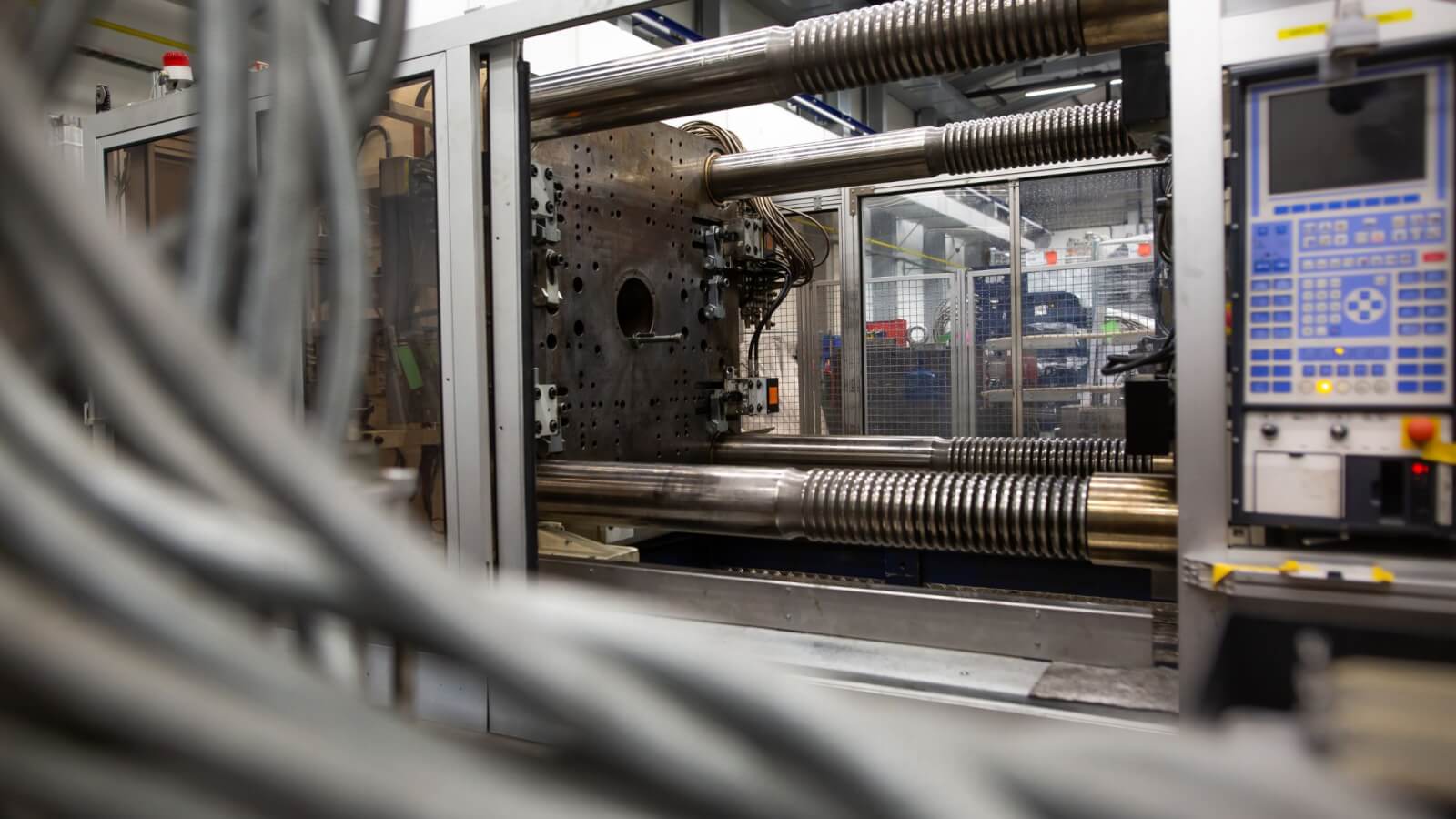

Injection molding is a highly efficient manufacturing method widely used across industries to produce precise and durable components. From simple household items to complex industrial parts, this process supports large-scale production with consistent quality. Many companies turn to reliable providers of injection molding to ensure their production needs are met with accuracy and efficiency.
What Is Injection Molding?
Injection molding is a production technique in which material, usually plastic, is heated until molten and then injected into a specially designed mold. After cooling, the material solidifies into the required shape. This method is ideal for creating identical parts in high volumes with minimal variation.
It is commonly used in sectors such as automotive, healthcare, electronics, and consumer goods due to its ability to deliver detailed and consistent results.
How the Injection Molding Process Works
The injection molding process involves several carefully controlled stages that ensure precision and quality in every product.
- Material Preparation
- Plastic pellets are fed into a heated chamber where they are melted into a liquid form.
- Injection
- The molten material is injected into a mold cavity under high pressure, ensuring it fills every corner of the design.
- Cooling
- The material cools inside the mold, gradually hardening into the desired shape.
- Ejection
- Once solidified, the finished part is removed from the mold and is ready for use or minor finishing.
This sequence can be repeated quickly, making it highly suitable for mass production.
Materials Used in Injection Molding
A wide variety of materials can be used in injection molding, allowing manufacturers to select options that meet specific performance requirements.
Common materials include thermoplastics such as ABS, polypropylene, and polycarbonate. Thermosetting plastics and elastomers are also used in certain applications. Thermoplastics are particularly popular because they can be reheated and reshaped, making them more sustainable and cost-effective.
Advantages of Injection Molding
Injection molding offers several important benefits that contribute to its widespread use in manufacturing.
One of the biggest advantages is its speed and efficiency. Once the mold is prepared, production cycles are rapid, allowing large quantities of parts to be produced in a short time.
Another benefit is cost efficiency for large runs. Although initial tooling can be expensive, the cost per unit decreases significantly as production volume increases.
The process also allows for high design flexibility. Complex and intricate shapes can be produced without significant additional cost.
Consistency and precision are also key strengths. Each product created through injection molding maintains uniform dimensions and quality.
Additionally, the process generates minimal waste because excess material can often be reused, supporting more sustainable production practices.
Disadvantages of Injection Molding
Despite its many advantages, injection molding has some limitations that should be considered.
The initial cost of creating molds can be high, which may not be suitable for small production runs. The design phase also requires careful planning to ensure the mold functions correctly and efficiently.
Furthermore, changes to the design after mold creation can be costly and time-consuming, making early-stage planning critical.
Applications of Injection Molding
Injection molding is used in a wide range of industries because of its versatility and reliability.
In the automotive sector, it is used to manufacture components such as dashboards, panels, and structural parts. In healthcare, it supports the production of medical devices and equipment. Consumer goods like containers, toys, and appliances are also commonly made using this process.
Electronics manufacturers rely on injection molding to create casings, connectors, and other essential components. Its ability to produce complex shapes with precision makes it indispensable across these industries.
Why Injection Molding Is Important in Modern Manufacturing
Modern manufacturing demands processes that are fast, reliable, and capable of producing high-quality results. Injection molding meets these requirements by offering scalability and consistent performance.
With advancements in automation and design technology, the process has become even more efficient. Manufacturers can now produce parts with greater accuracy while reducing production time and costs.
As industries continue to grow and evolve, injection molding remains a key method for meeting global production demands.
Future Trends in Injection Molding
The future of injection molding is being shaped by innovation and sustainability. Manufacturers are increasingly exploring eco-friendly materials and improving energy efficiency in production.
The integration of smart technologies, such as automation and data-driven systems, is also enhancing the process. These advancements help improve quality control and reduce operational costs.
As environmental concerns become more important, the use of recyclable and biodegradable materials is expected to increase, making injection molding more sustainable.
Conclusion
Injection molding is a powerful manufacturing solution that combines efficiency, precision, and scalability. It is widely used across industries to produce high-quality components in large volumes.
Although it requires an initial investment, the long-term benefits in terms of cost savings and productivity make it a preferred choice for many businesses. Companies seeking dependable production methods often rely on injection molding to achieve consistent and reliable results in today’s competitive market.