
Modern manufacturing has a quiet superpower, and most people walk past it without realizing it. It’s not a giant robot arm or a glowing 3D printer. It’s a stream of water, pressurized to extraordinary levels, that can slice through steel, glass, titanium, foam, food, and just about anything else you can imagine. It sounds almost too simple to be true, but this technology has quietly become one of the most versatile tools on the modern factory floor.
As manufacturers chase faster turnaround, tighter tolerances, and more sustainable processes, they’re rethinking everything about how parts are made. Lasers, plasma, EDM, and traditional machining all have their place, but a growing number of shops are leaning on water-based cutting for jobs where heat distortion, edge quality, or material flexibility matter. The result is a manufacturing landscape that’s smarter, cleaner, and a lot more creative than it used to be.
Why This Technology Keeps Showing Up in Innovation Conversations
Talk to any modern fabricator about precision, sustainability, and material flexibility, and the conversation almost always lands on the water jet. The reason is simple, it solves problems other cutting methods can’t. There’s no heat-affected zone, no warping on thin materials, no fumes, and no need for secondary finishing on most parts. For engineers designing the next generation of aerospace components, medical devices, EV battery housings, or architectural panels, that combination is hard to beat.
Industry voices like OMAX Corp, a Hypertherm Company, have spent years documenting how this approach has matured from a niche capability into a core part of advanced fabrication. Their educational resources walk through the physics, the abrasives, the software side, and the practical realities of shop-floor adoption, the kind of information that helps engineers, students, and procurement teams understand what the technology actually does before they ever quote a project. The more people understand it, the more creatively they tend to apply it.
A Market That’s Quietly Growing
If the technology feels niche, the numbers tell a different story. According to Grand View Research, the global waterjet cutting machine market was valued at USD 966.7 million in 2022 and is projected to reach roughly USD 1.29 billion by 2030, growing at a 3.7% compound annual growth rate. That growth is being driven by automotive, aerospace, electronics, and metal fabrication shops that want eco-friendlier processes and tighter precision without giving up speed.
Innovation rarely happens in a vacuum. When the underlying tooling gets better, faster, and more accessible, designers start dreaming bigger, and that’s exactly what’s happening here.
The “No Heat” Advantage Changes What’s Possible
One of the biggest reasons waterjet keeps showing up in advanced manufacturing is its cold-cutting nature. Lasers and plasma generate intense heat that can warp thin metals, alter the structural properties of alloys, or melt sensitive materials entirely. Waterjet sidesteps that whole category of problem. You can cut tempered glass without cracking it, slice through composites without fraying them, and shape exotic alloys without stressing the grain structure.
That capability has a ripple effect. Engineers can specify materials they couldn’t realistically work with before, designers can experiment with hybrid sandwich panels, and prototypes can move from sketch to test fixture in hours instead of weeks.
One Tool, Hundreds of Materials
It’s hard to overstate how flexible this technology has become. The same machine that cuts a stainless-steel turbine bracket on Monday can cut a granite countertop, a foam packaging insert, a carbon-fiber dashboard, and a stack of rubber gaskets by Friday, with nothing more than a swap of program and abrasive feed. For job shops, that flexibility translates directly into more accepted quotes, less idle equipment, and faster ROI on capital.
Bigger picture, this versatility is fueling a wave of cross-disciplinary design. Architecture borrows from aerospace, fashion borrows from automotive, and product designers are blending materials in ways that simply weren’t practical when each material needed its own dedicated cutting process.
Sustainability Built Into the Process
Modern manufacturing is under real pressure, from customers, regulators, and the bottom line, to operate cleaner. Waterjet plays well into that shift. There’s no smoke, no slag, and no toxic byproducts, and water can be filtered and recycled in many setups. Many shops also report less material waste because tighter nesting and a thin kerf mean more parts per sheet, fewer offcuts in the recycle bin, and lower per-unit costs over time.
That alignment between sustainability and efficiency is rare. Usually, you trade one for the other. Here, you often get both.
Software, Automation, and the Smart Factory
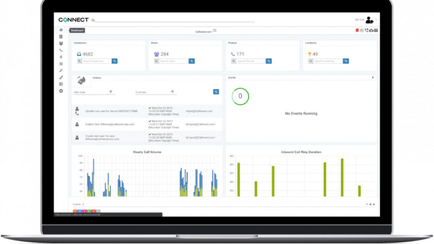
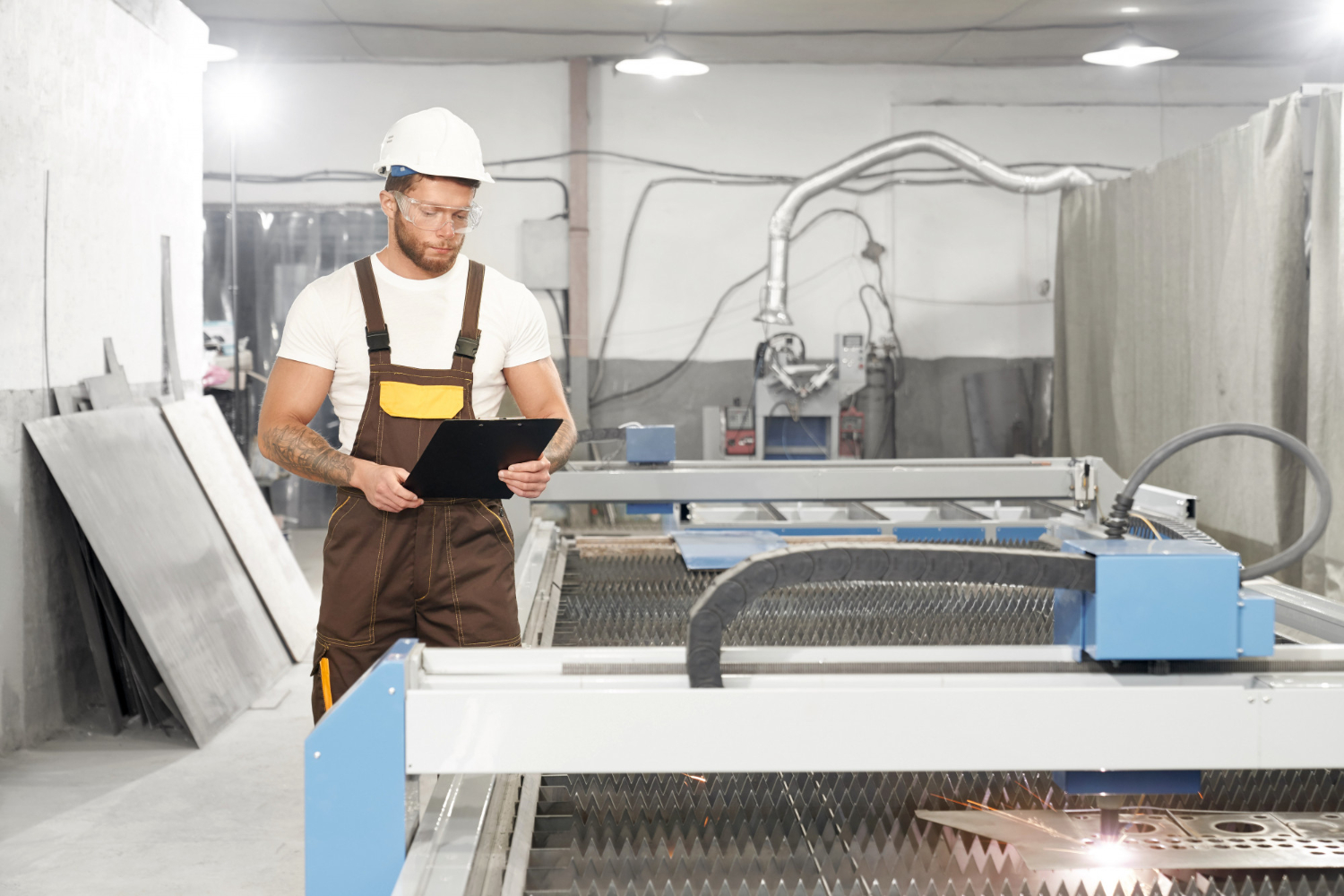
The cutting head is only half the story. The real innovation lately has been in the software, intelligent CAM systems that automatically optimize cut paths, predict abrasive use, adjust speed based on material thickness, and integrate with shop-floor scheduling tools. Pair that with robotic loading, multi-axis heads, and IoT-enabled diagnostics, and a single operator can run several machines while the system flags maintenance issues before they become downtime.
This is where the waterjet stops being just a cutting tool and starts becoming a full-fledged smart-manufacturing node.
Industries Pushing the Envelope
Aerospace uses it for composite layups and titanium structural parts. EV makers rely on it for battery tray cutouts and motor laminations. Medical device firms shape implants and surgical instruments where heat would be a disaster. Architects and artists use it for stone inlays and bespoke metal facades. Even food producers use ultra-clean, pure-water systems to portion proteins without contamination. Different industries, same underlying tool.
Final Thoughts
Innovation in manufacturing isn’t always about flashy new technologies. Sometimes it’s about quietly improving what already exists, making it cleaner, more flexible, more precise, and more accessible to smaller shops. Water-based cutting is a textbook example. The fundamentals haven’t changed, but the software, the pumps, the automation, and the engineering imagination around it absolutely have. For any manufacturer trying to stay competitive in the next decade, it’s a technology worth understanding deeply and worth watching closely.