
Businesses today are juggling both physical and digital threats, often simultaneously. It’s not uncommon for companies to focus heavily on cybersecurity only to leave physical security as an afterthought. Integrating both physical and cybersecurity is about aligning processes, tools, and people. When these elements work harmoniously, businesses are better equipped to prevent breaches, avoid downtime, and ensure peace of mind.
As risks continue to evolve, it’s clear that security can’t be handled in silos. This guide walks through ways businesses can connect the dots between physical and digital security, ensuring that nothing slips through the cracks. Read on.
Assess Your Business’s Current Security Posture
Before building an effective security system, businesses must understand where they stand. This step sets the foundation for future improvements by identifying weak points before they become full-blown risks.
Perform a Physical Security Audit
Inspect the physical entry points of your business. Doors, windows, and gates should have proper locks in place. Ask yourself:
- Are surveillance cameras in the right spots, such as entrances, exits, and sensitive areas such as server rooms?
- Do employees use access cards, keys, or biometric scanners to enter secure zones?
- Is there a system for logging visitors and contractors, or do they roam freely inside the building?
In cases where locks are outdated or compromised, it’s essential to reach out to Quicksmith or a similar company. A reliable emergency locksmith ensures swift lock replacements and minimizes downtime, especially if an incident involves lost or stolen keys.
Conduct a Cybersecurity Assessment
While the locks on the doors are important, so are the virtual gates guarding your data. Assess your current cybersecurity posture by asking:
- Are all software programs updated, or are you using versions vulnerable to known exploits?
- Do employees follow password policies, or is everyone using easy-to-guess combinations?
- Is multi-factor authentication (MFA) enabled for critical accounts?
Businesses with more advanced needs, such as managing secure remote access, may benefit from consulting Complete Network in Charlotte to strengthen their infrastructure with tailored cybersecurity solutions.
Evaluate Overlapping Security Risks
Physical and cyber risks often overlap. For example, a disgruntled former employee with an old access badge and password might enter the building and log into critical systems undetected. To avoid these scenarios, consider integrating physical and digital access systems. This could mean setting up alerts to notify security personnel and the IT team when someone accesses secure areas or tries logging in from unauthorized devices.
With a clear picture of what’s working and what’s not, it becomes easier to prioritize improvements and tighten both physical and cyber defenses.
Develop a Unified Security Strategy
A unified security strategy ensures physical and digital defenses work in sync. Here are practical steps to build a cohesive security plan:
Involve Key Departments
Bring together IT, HR, and facilities management to assign roles for daily operations and emergency situations. For example, IT can manage network access while facilities ensure that only authorized individuals enter restricted areas.
Establish Clear Policies and Procedures
Define protocols for visitor management, badge usage, and password updates so everyone follows consistent practices. Aligning policies with standards like ISO 27001 ensures compliance and promotes best practices.
Conduct Cross-Departmental Security Meetings
Hold regular meetings between key departments to review and improve security practices based on emerging risks.
A unified security strategy ensures every part of the business works together to stay protected.
Implement Integrated Security Technologies
Integrated security technologies connect physical and digital systems, creating a more cohesive defense against threats. Here’s how to implement the right tools effectively:
Smart Access Control Systems
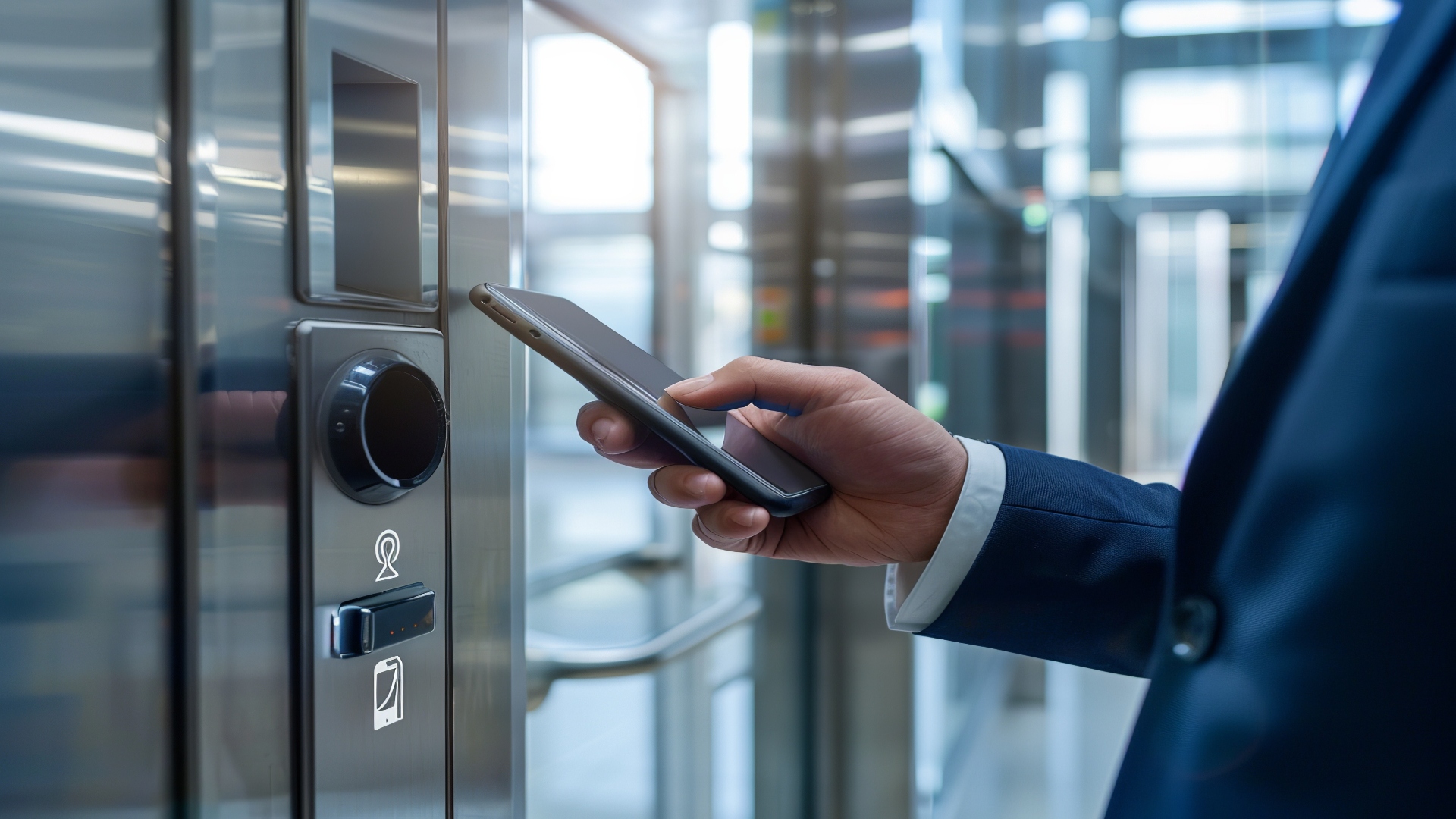
Use badges, biometric scanners, or mobile apps to control who enters restricted areas. When integrated with network systems, these tools can trigger alerts if unauthorized attempts occur, both physically and digitally.
Surveillance and Monitoring Tools
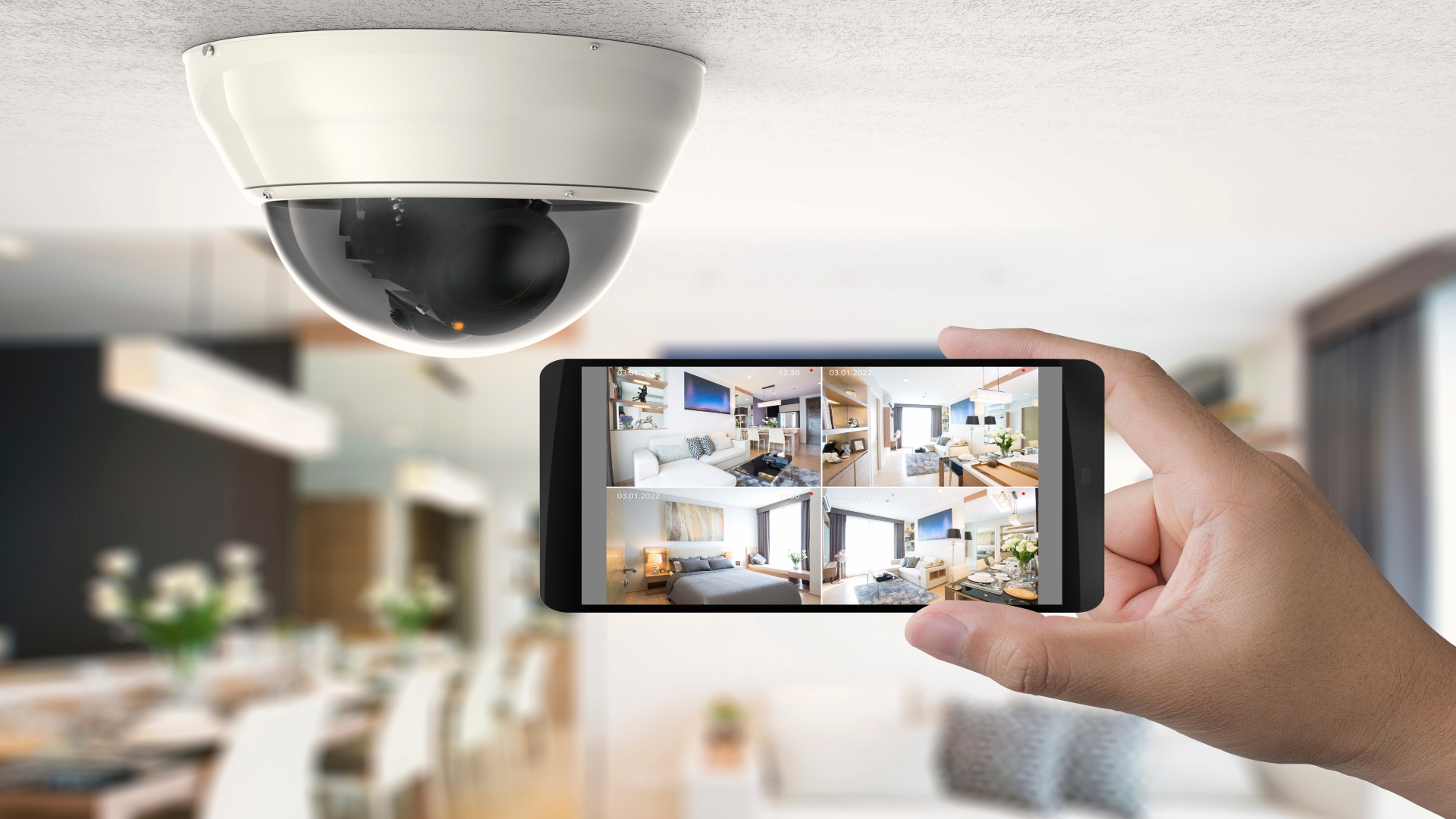
Install cameras at key points, such as entrances, storage rooms, and data centers, with real-time video feeds accessible from secure devices. Combine these feeds with motion sensors or AI analytics to automatically detect unusual activity.
Unified Monitoring Platforms
Use systems that centralize physical and digital security alerts into one dashboard for easier management.
IoT-Based Security Solutions
Connect devices like smart locks, environmental sensors, or alarms to your network for automated responses. These systems can lock doors, shut down servers, or notify security teams instantly if a threat is detected.
Integrated technologies enhance security and improve efficiency by streamlining operations. With everything connected, businesses can quickly identify vulnerabilities and stay ahead of evolving risks.
Train Employees on Security Best Practices
Regular training ensures employees know how to identify risks and respond effectively to potential threats. Here’s how to equip your team with the right skills:
Physical Security Awareness
Teach employees to spot suspicious behavior, prevent tailgating, and secure their workspaces. Encourage habits like locking doors, reporting lost access cards immediately, and never leaving devices unattended in public areas.
Cybersecurity Training
An investment in employee development is crucial for strengthening cybersecurity. Equip employees with the skills to recognize phishing emails, create strong passwords, and secure personal devices. Training should also emphasize the importance of multi-factor authentication (MFA) and proper handling of sensitive data, ensuring every team member plays an active role in protecting the business from digital threats.
Conduct Incident Response Drills
Run mock scenarios involving both physical breaches and cyberattacks to test readiness. For example, simulate a phishing attack or an unauthorized visitor incident, so employees practice appropriate responses in real time.
Ongoing Education and Refreshers
Keep security practices top of mind with regular training sessions and email reminders. Use newsletters, quizzes, or brief workshops to reinforce key concepts and update employees on new threats or policy changes.
When employees are well-trained, they become the first line of defense, reducing the likelihood of breaches and helping to maintain a secure environment.
Establish Access Control Measures for Both Physical and Digital Assets
Access control ensures that only authorized individuals can reach sensitive areas or systems. For physical spaces, use keycards, biometric scanners, or smart locks to manage entry. Digitally, implement role-based access control (RBAC) and multi-factor authentication (MFA) to protect critical data and systems.
Regularly review permissions to remove unnecessary access and update credentials. Integrating physical and digital access systems allows for real-time monitoring—if someone enters a restricted area and tries logging into a system, the alert triggers immediately, preventing potential breaches.
Final Thoughts
Integrating physical and cybersecurity is essential for building resilience in today’s ever-evolving threat landscape. A proactive approach protects assets and fosters trust and reliability. Start refining your security strategy today to stay ahead of risks and create a safer, more secure business environment.