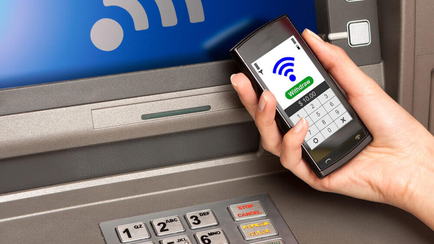


In the digital age, the way businesses handle transactions has transformed dramatically. Consumers no longer rely solely on cash or traditional banking methods, and companies recognize that seamless, secure payment systems are essential for growth and customer satisfaction. From small e-commerce startups to global digital enterprises, the ability to process payments efficiently shapes customer experience, operational efficiency, and business success.
As online commerce continues to expand, businesses face increasing pressure to provide payment experiences that are smooth, reliable, and secure. Friction in the payment process, even minor issues like a slow-loading checkout page or limited payment options, can lead to abandoned carts and lost revenue. Organizations that implement streamlined systems gain a competitive edge by enhancing customer satisfaction, simplifying operations, and reducing transactional risk.
The Evolution of Digital Payments
The history of digital payments mirrors the broader technological evolution of the past two decades. Early online transactions often involved cumbersome processes, requiring manual data entry, extensive verification, and limited options for consumers. Over time, digital businesses and financial institutions collaborated to create integrated solutions, paving the way for payment systems that combine speed, security, and convenience. Modern platforms use encryption, tokenization, and artificial intelligence to streamline operations while reducing fraud, ensuring merchants and customers can complete transactions with confidence.
This evolution has been guided by growing consumer expectations. Customers expect payments to be fast, accurate, and flexible. Digital wallets, mobile banking apps, and integrated checkout systems have reshaped the payment landscape, giving businesses the tools to meet these demands. Industry leaders such as the World Bank and the Federal Reserve emphasize that reliable digital payment infrastructures are foundational for economic inclusion.
Key Features Driving Seamless Payment Experiences
Modern digital businesses rely on several core features to deliver frictionless payment experiences. Among these, security is paramount. Advanced encryption methods and compliance standards like PCI DSS ensure sensitive customer information is protected throughout the transaction process. Coupled with fraud detection algorithms that monitor transaction patterns in real time, these features reduce both risk and operational disruptions.
User experience is equally important. Payment systems that offer multiple options, including credit cards, digital wallets, and buy-now-pay-later services, cater to diverse customer preferences. Smooth, intuitive interfaces reduce friction, allowing users to complete purchases quickly. Integration with mobile and web platforms further enhances accessibility, aligning with the digital habits of modern consumers.
Scalability and adaptability are also critical. Businesses must accommodate changing transaction volumes and emerging technologies without sacrificing performance. Cloud-based payment solutions allow companies to scale infrastructure in line with demand, ensuring reliability even during peak sales periods.
Supporting Business Growth with Online Payment Gateway Solutions
Among the innovations shaping digital commerce, online payment gateway solutions stand out for their ability to connect merchants, consumers, and financial institutions securely and efficiently. These systems act as intermediaries, validating transactions, processing payments, and transferring funds while maintaining compliance with regulatory standards. By centralizing these functions, businesses can reduce operational complexity, improve cash flow, and strengthen financial oversight.
The value of such solutions extends beyond transactional efficiency. They enable businesses to enter new markets by supporting multiple currencies and payment methods, fostering a global reach that would be difficult to achieve with traditional banking alone. Analytics and reporting features built into many platforms also provide insights into consumer behavior and transaction trends, helping companies make data-driven decisions.
Organizations ranging from startups to large enterprises increasingly recognize that investing in reliable payment infrastructure is an investment in growth. By implementing systems designed for security and ease of use, businesses strengthen customer relationships, reduce payment disputes, and position themselves for sustainable scalability.
The Intersection of Technology and Customer Trust
Technology and trust are inseparable in digital payments. Even the most advanced systems are only effective if users feel confident in their safety. Features like two-factor authentication, biometric verification, and end-to-end encryption provide assurances to customers, reinforcing trust in both the business and its brand.
Transparent processes and responsive customer support also contribute to reliability. Consumers are more likely to complete purchases and return for future transactions when they feel secure and valued. In competitive markets where switching costs are low, trust becomes a critical differentiator.
The convergence of technology and trust also supports regulatory compliance. Payment systems that adhere to national and international standards help businesses avoid penalties and reputational damage while reassuring customers that transactions are conducted responsibly.
Future Trends in Digital Payment Systems
Looking forward, the landscape of digital payments is poised for continued transformation. Emerging technologies such as blockchain, AI-driven fraud prevention, and real-time payment processing promise to enhance efficiency and security. As these innovations mature, businesses will have opportunities to offer faster and more personalized payment experiences.
Mobile-first strategies will continue to dominate as consumers increasingly rely on smartphones and wearable devices. Cross-border commerce will also benefit from innovations that reduce currency conversion costs and streamline international settlements. Companies that adopt these trends proactively are likely to maintain a competitive advantage.
Sustainability is also gaining prominence in the payments ecosystem. Digital-first transactions reduce reliance on paper-based systems, while energy-efficient payment platforms contribute to broader environmental goals.
Conclusion
Seamless payment systems have become a cornerstone of modern digital businesses, influencing customer satisfaction, operational efficiency, and strategic growth. By leveraging advanced technologies, intuitive interfaces, and strong security measures, businesses can offer experiences that meet evolving consumer expectations while reducing risk and enhancing trust. The adoption of online payment gateway solutions demonstrates how technology can simplify processes, improve financial oversight, and support scalability.
As digital commerce continues to expand, companies that prioritize seamless, secure, and adaptable payment systems are most likely to thrive. Beyond convenience, these systems foster trust, enable market expansion, and provide insights that support strategic decision-making. In a competitive environment, investing in sophisticated payment infrastructure is a key driver of long-term growth and resilience.