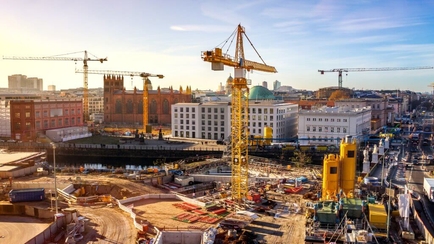

Cities across the country are investing heavily in infrastructure upgrades. Aging water lines are being replaced, sidewalks are being rebuilt, utility systems are being modernized, and streets are being redesigned to improve long-term safety and accessibility. In dense urban areas, these projects are often happening simultaneously across multiple neighborhoods.
While the long-term goals are practical, the construction process itself can create temporary safety concerns for pedestrians. Sidewalk closures, uneven walking surfaces, shifting traffic patterns, and incomplete pathways can increase the likelihood of trips, slips, and other accidents. For residents navigating these areas every day, short-term construction zones can become unpredictable pedestrian risk zones.
Construction Activity and Foot Traffic
Urban infrastructure projects rarely happen in isolated spaces. Utility work and road reconstruction often take place in active commercial corridors, residential blocks, transit-heavy intersections, and school zones. Even when crews follow standard safety procedures, construction activity changes how pedestrians move through the city.
Temporary fencing, blocked sidewalks, and lane closures frequently force people to reroute around work areas. In many cases, pedestrians are redirected into narrow walking paths, temporary ramps, or shared spaces with cyclists and vehicle traffic. These detours may be manageable during daylight hours, but they can become more hazardous at night, during rain, or in high-traffic conditions.
The challenge becomes more noticeable in cities where large-scale improvement projects are spread across multiple districts at once. Residents may encounter several construction zones during a single commute, increasing exposure to uneven pavement, debris, loose gravel, and temporary barriers.
Sidewalk Reconstruction Risks
Sidewalk reconstruction projects are designed to improve accessibility and reduce long-term maintenance issues, but the transition period can create unstable walking conditions. During phased construction, portions of sidewalks may be partially demolished or temporarily patched while crews complete adjacent sections.
This can leave pedestrians navigating surfaces with inconsistent elevations, exposed edges, or abrupt grade changes. Temporary asphalt patches and steel construction plates may create traction issues, especially during wet weather. In some cases, construction materials or equipment are stored near active pedestrian areas, reducing visibility and limiting walking space.
For older adults, people with mobility limitations, and parents pushing strollers, these conditions can present additional challenges. Even relatively minor surface irregularities can increase the risk of falls when pedestrians are forced into crowded or poorly marked detours.
Cities often require contractors to maintain accessible walkways during active projects, but the quality and consistency of those temporary routes can vary significantly depending on the project scope and location.
Utility Work and Unexpected Hazards
Utility upgrades are another major source of temporary pedestrian disruption. Water main replacements, electrical system work, gas line repairs, and telecommunications upgrades often involve trenching, excavation, and partial street closures.
Unlike long-term redevelopment projects, utility work can appear with little warning and may move quickly from block to block. Pedestrians who regularly use the same walking routes may suddenly encounter open trenches, temporary steel plates, uneven pavement cuts, or narrowed sidewalks.
Construction zones tied to underground utility work also tend to change frequently throughout the day. A walkway that appears clear in the morning may become obstructed by equipment or excavation activity later in the afternoon. This constant change can create confusion for pedestrians trying to navigate familiar streets.
Noise, dust, and visual clutter may further reduce awareness of hazards in active work zones. In busy downtown environments, pedestrians are often balancing traffic signals, crowded sidewalks, and construction detours simultaneously.
Phased Street Improvements
Many cities now complete infrastructure upgrades in phases to minimize long-term disruption. Instead of shutting down entire corridors for extended periods, projects are divided into smaller sections that rotate over time. While this approach helps maintain traffic flow and business access, it can create ongoing navigation issues for pedestrians.
Phased projects often involve temporary curb ramps, partial crosswalk closures, and changing traffic patterns. Pedestrians may have to cross streets at unfamiliar locations or walk farther to access safe crossing points. In areas with high vehicle congestion, these changes can increase exposure to traffic-related risks.
Construction staging can also affect visibility at intersections. Barriers, equipment, and temporary signage sometimes obstruct sightlines for both pedestrians and drivers. This becomes particularly concerning in areas with heavy turning traffic or limited lighting.
As cities continue redesigning streets for bike lanes, public transit improvements, and pedestrian-friendly layouts, the construction period itself has become a larger part of the overall safety conversation.
Weather and Seasonal Conditions
Weather can amplify many of the risks associated with infrastructure construction zones. Rain may create slippery surfaces around temporary pavement patches or metal plates. Snow and ice can accumulate unevenly around barricades, construction materials, and unfinished sidewalks.
Freeze-thaw cycles can also worsen temporary walking conditions. Surfaces that appear stable one day may shift or crack after changing temperatures. In colder climates, temporary repairs made during winter months may deteriorate quickly under heavy foot traffic.
Seasonal daylight changes add another layer of concern. During fall and winter, pedestrians are more likely to encounter construction zones in low-light conditions during commuting hours. Poor visibility can make uneven pavement, cables, and temporary barriers harder to detect.
Cities and contractors often attempt to address these concerns through lighting, signage, and temporary surfacing, but conditions can still change rapidly during active projects.
Balancing Long-Term Improvements With Short-Term Safety
Infrastructure upgrades are necessary for maintaining safe and functional cities. Aging sidewalks, outdated utility systems, and deteriorating streets require ongoing investment. Many of these projects ultimately improve pedestrian safety by creating smoother walkways, better lighting, upgraded crossings, and more accessible public spaces.
At the same time, the construction phase introduces temporary risks that cities must actively manage. Clear signage, consistent pedestrian routing, proper lighting, and regular maintenance of temporary pathways all play a role in reducing hazards during active projects.
Public awareness has also grown around how construction-related conditions contribute to pedestrian injuries. Discussions involving urban planning, liability, and public safety increasingly examine whether temporary infrastructure zones are being managed effectively enough in high-density areas. In some situations, these incidents may later become part of broader legal or insurance discussions involving contractors, municipalities, or even a Jersey City personal injury lawyer reviewing how a construction-related accident occurred.
The Transition Period Matters
City infrastructure projects are often evaluated based on their final outcome, but the transition period deserves equal attention. Temporary construction zones can significantly affect pedestrian movement and safety, particularly in busy urban environments where residents rely heavily on walking and public transit.
As cities continue modernizing roads, utilities, and sidewalks, the focus on pedestrian safety will likely extend beyond completed projects and into the day-to-day conditions created during construction itself. Well-planned detours, clearer communication, and consistent maintenance of temporary walkways can help reduce short-term risks while long-term improvements move forward.