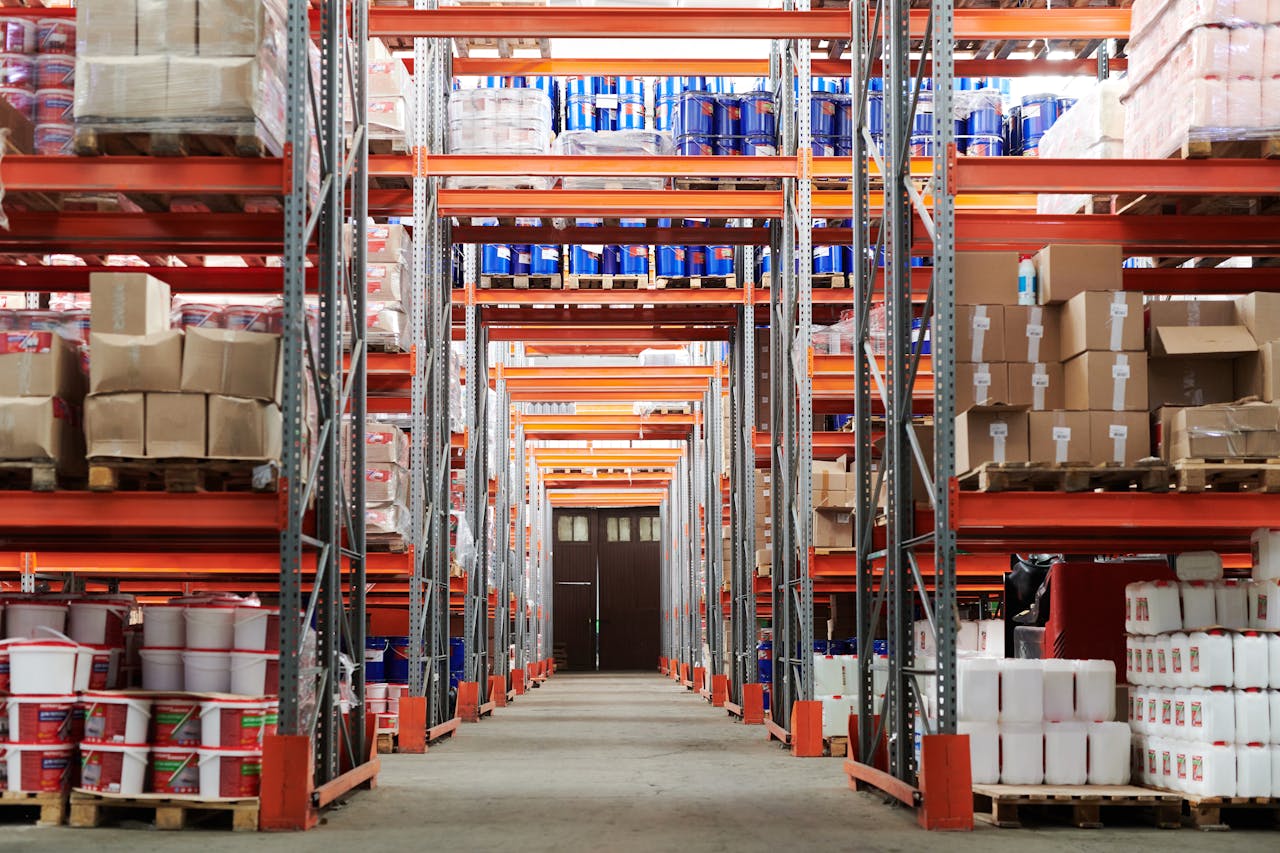

If you run a business that deals with inventory, stock or equipment you need a good plan for storage.
Different types of businesses face different challenges. An online shop selling fashion needs room for boxes of clothes.
A food business needs cool, clean space for produce. A catering company might need racks, trays and season-specific equipment. Many UK businesses now sell online and expect growth.
In London, for example, around 42 per cent of small businesses sell online, and ecommerce makes up about £120 billion in revenue for small and medium enterprises, showing how common online trading has become.
There are around 5.5 million private sector businesses in the UK, and almost all of them are small or medium sized. This means many need flexible, cost-effective ways to store stock and equipment without paying high rents for big commercial space.
Using Your Home for Business Storage
One of the simplest options is to use part of your home for business storage. Many small online sellers start by storing stock in a spare room, garage, loft or under the stairs.
This can save money for your business and means you are close to your stock. It works well when you have low volumes or are in the early stages of growth.
Home storage is best for dry, clean, non-hazardous goods. It might not work well for food businesses if you need refrigeration or strict hygiene. It also can quickly fill up and make your living space feel cluttered with boxes and business equipment.
If your stock fits on shelves at home and you have room to organise it safely, this option may keep costs low while you build your business.
Temporary Storage Solutions
When your business grows, you may outgrow home space. Temporary storage units can help in the short term. These are rented spaces where you can keep pallets, boxes and business equipment for weeks or months.
The UK storage industry is worth over £1.2 billion a year and continues to grow as businesses and individuals seek flexible space with low commitment.
Temporary units are useful during busy seasons, when you have a sudden influx of stock, or while you sort out longer-term space. Many companies offer short contracts so you only pay for what you need. You can choose indoor units or container-style storage depending on what you store and how often you need to access it.
This option is particularly relevant for ecommerce businesses, fashion companies and seasonal suppliers who need space when demand peaks. Costs vary by size and location, but temporary storage can be cheaper than a long-term commercial lease.
Professional Warehousing and Fulfilment Centres
As your business grows further, using professional warehousing or a fulfilment centre might be sensible. These are commercial spaces designed to hold large quantities of stock. They often offer services such as picking, packing and shipping, which can save time if you sell online.
Warehouses might be expensive if you rent a whole unit yourself, but many businesses work with fulfilment companies that store and dispatch goods on their behalf. For example, small skincare or handmade product sellers sometimes use smaller fulfilment firms that charge for storage space and order handling rather than a large rent.
Warehousing is especially useful for food businesses that need regulated temperature control, or fashion companies with large seasonal stock. It keeps your home space free and ensures your inventory is looked after professionally.
Friends and Family Storage Options
Another approach some small businesses use is storing stock temporarily with relatives or friends who have spare room in a garage, loft or spare shed. This can help avoid rental costs and keep items nearby. It is informal but can work if everyone agrees terms and timelines.
Be sure to discuss how long you might need the space, how the items will be stored and whether there is access when you need it. Clear communication avoids misunderstandings and keeps business and personal relationships healthy.
Shared Storage and Box-by-Box Options
Some newer storage models allow businesses to rent space by the box rather than a whole unit. This is ideal for very small inventories or when you only need extra space occasionally.
You pay for the number of boxes or cubic feet you use and not a fixed area.
This can make storage flexible and affordable, especially for startups and micro businesses, and fits well with ecommerce sellers who might have fluctuating stock levels.
Balancing Cost of Storage and Your Company’s Growth
Whatever storage route you choose, think about growth and cash flow. Inventory costs do not only include space rent, they also include handling and the cost of holding stock.
For online businesses, losing sales because stock is out of reach or poorly organised can harm growth. It is estimated that many ecommerce businesses lose significant sales when items run out of stock or are delayed.
Be realistic about how much room you need now and what you might need in the future. Start with low-cost solutions and scale to professional warehousing or fulfilment as your business grows. Planning storage sensibly can save money, protect your stock and help your business run smoothly in the long term.
Review and Future Planning
Finally, review your storage regularly. As your business changes, your storage needs will change too.
Make storage part of your business planning. Whether you use home space, temporary units, professional warehousing, or friends and family, choosing the right option helps keep your costs down and your business ready for growth.