
New content formats that shake up traditional media
The way information is consumed is changing faster than ever. Where television, radio and newspapers once defined how people received information, people now choose when and how they consume content. These new forms of storytelling make news and entertainment more personal, shorter and more interactive. Podcasts, streaming and social videos dominate the attention of millions of people. Traditional media are not disappearing, yet they are transforming.
From linear to on demand
The era in which media consumption was determined by fixed schedules is over. Viewers, listeners and readers now set their own pace and preferences. Streaming services like Netflix, Videoland and Spotify have almost completely replaced the idea of linear programming with on-demand usage. News platforms and YouTube channels respond to this shift by making content available anytime and anywhere.
Many broadcasters are now developing their own streaming services, apps and podcasts to connect with a digital audience. Radio clips get a second life as separate items, while television programs become available online almost immediately. This transition shows that media can no longer rely on fixed formats.
Interaction as a new form of engagement
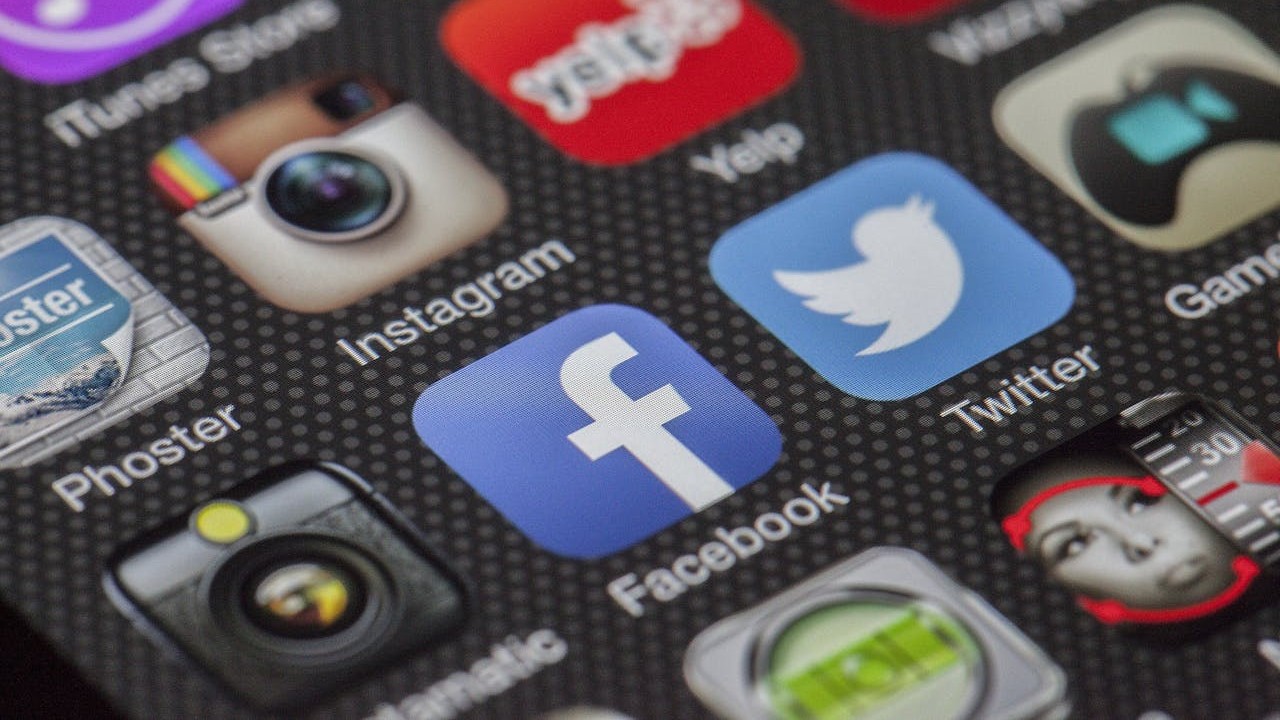
People want more than just watching, they want to participate actively. That is where interactive content comes in, triggering a sense of involvement. On platforms such as Instagram, TikTok and X, users respond directly to news, campaigns or entertainment. They even create their own versions of popular formats or add personal perspectives. For media companies, this marks a clear shift: the audience is no longer just an observer, but an active co-creator. Interactive documentaries, livestreams with comments and community-driven podcasts show how stories now develop together with the audience. This interaction not only strengthens the bond with the audience, but also increases the relevance of the content. Brands and media that actively offer space for interaction create a loyal and engaged community that feels seen and heard.
The rise of automated formats
The next step in this evolution is technological support. AI in publishing shows how artificial intelligence is renewing the way content is produced and published. Editorial teams use algorithms to identify trends, predict topics and optimise content for different audience segments. Headlines are tested for attractiveness, and short news items or summaries can even be generated automatically. This saves time and makes it possible to respond more quickly to current developments. Still, human creativity remains indispensable. Writers and editors give meaning to data, add details and safeguard the tone of the story. It is precisely the combination of technology and editorial insight that ensures content remains relevant and recognisable. This creates a new form of storytelling, where stories align better with the experience and expectations of the audience.
The power of short formats and micro-stories
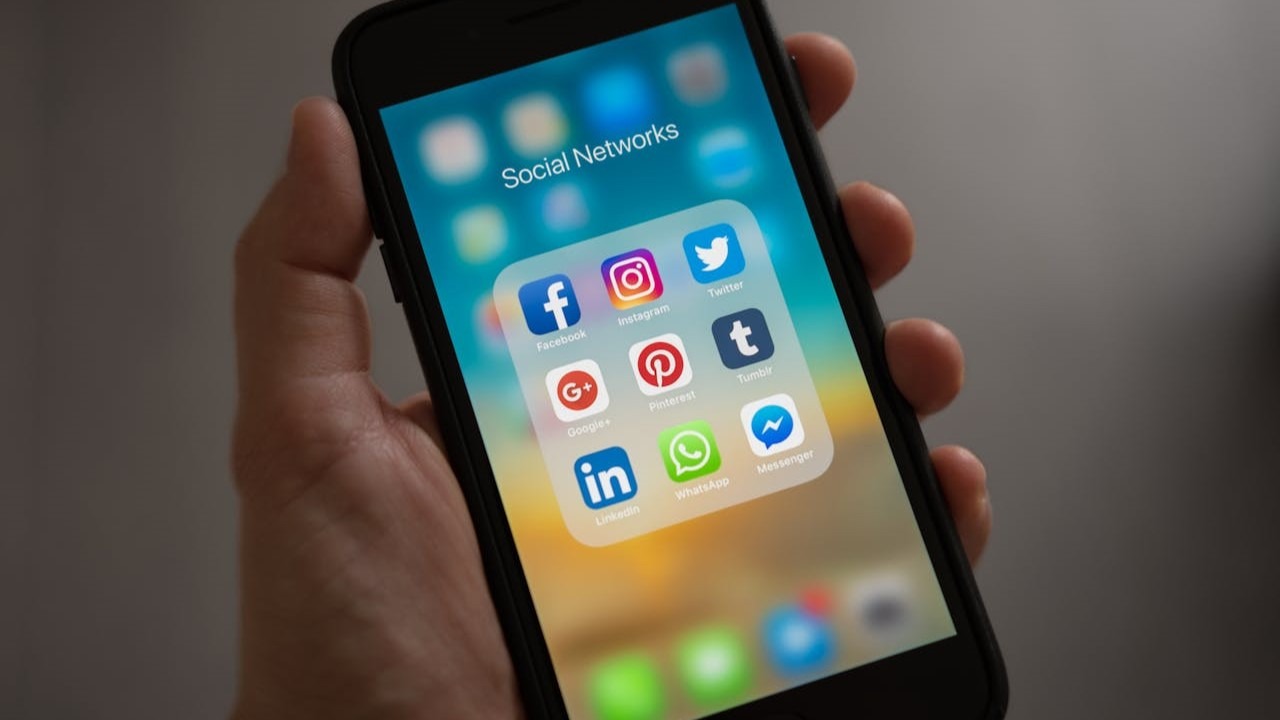
The attention span of audiences is shorter than ever, and that changes how stories are told, something AI contributes to as well. Micro-stories are gaining traction because they deliver impact quickly and require little time. Short videos, visual quotes and compact news clips manage to capture attention within seconds. Platforms such as TikTok, YouTube Shorts and Instagram Reels have made this way of communicating popular. The power of this format lies in simplicity and recognisability: one clear message, often with a personal or emotional touch. A good micro-story leaves no room for unnecessary explanation, but triggers interest instantly. Traditional media are also adapting, breaking long stories into separate clips or posts. This preserves the core of the narrative, yet presents it in a form that suits today’s audiences.
Hybrid storytelling
The different fields within social media are increasingly merging. Journalists now collaborate closely with designers, filmmakers and data analysts to present stories visually or interactively. This leads to new ways of storytelling, where text, visuals and sound reinforce each other rather than stand alone. An investigative story can be expanded with an interactive map, a data visualisation or a short video featuring personal statements from those involved. This approach to hybrid storytelling makes complex themes easier to understand and more engaging to follow. The result is content that not only informs but also evokes emotion and sparks curiosity.
Media that continue to move
The future of media is in constant motion. Technology, audience behaviour and creativity continue to influence and strengthen one another. As a result, new forms of storytelling keep emerging. Traditional platforms that dare to innovate find ways to remain relevant in a rapidly changing landscape. At the same time, the boundaries between journalist, creator and consumer are disappearing, causing roles to increasingly overlap. In the end, it all revolves around sharing stories. Whether through paper, visuals or algorithms, content remains a reflection of the time we live in.