

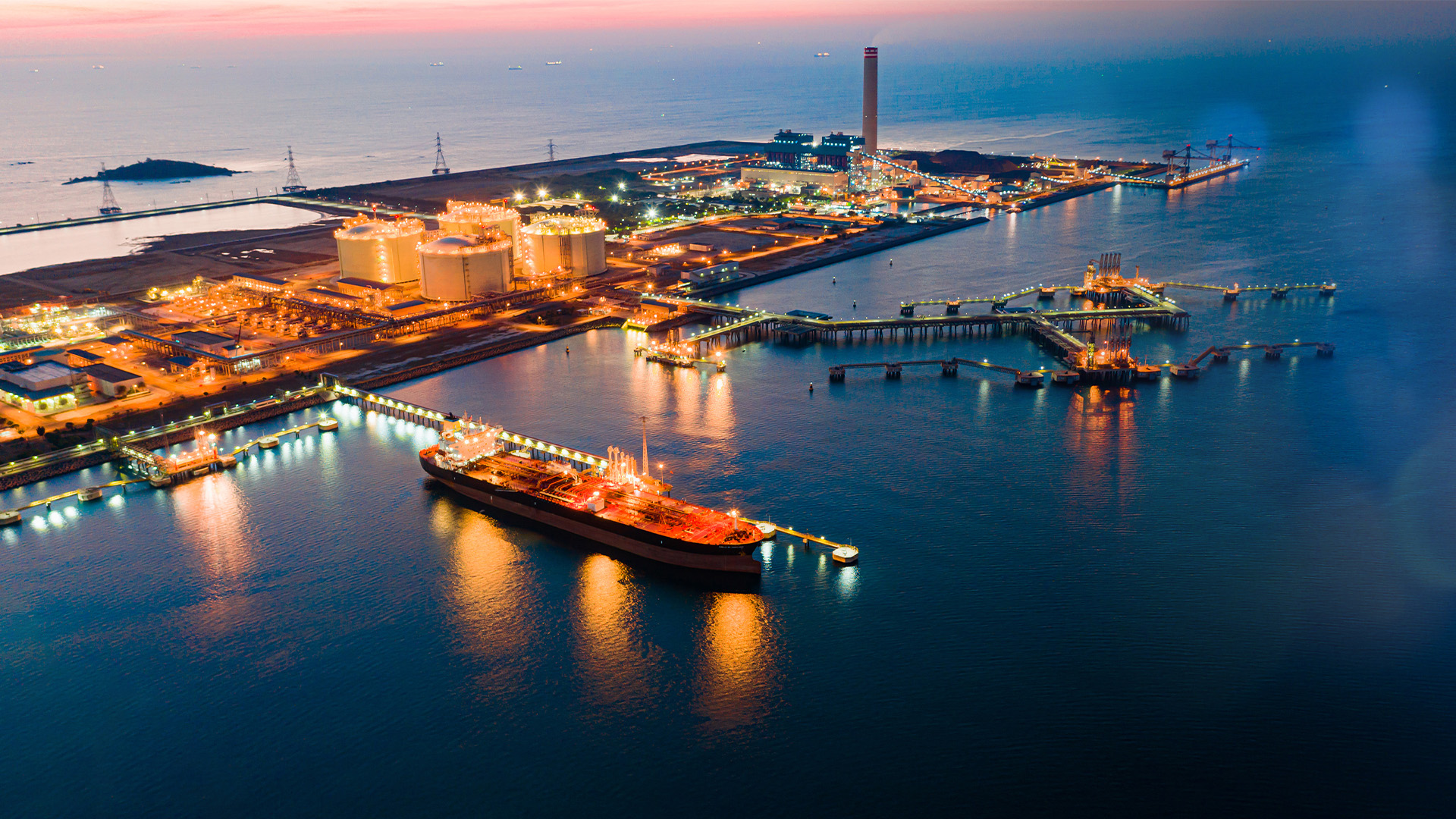
Businesses exporting heavy-duty products or goods will have to consider the right type of cargo transportation. If goods are exported internationally, this will require consideration of the right type of vessel or ship.
Since the early days of shipbuilding, the industry has undergone a rapid transformation and evolution. Vessels for international exports are now stronger, more reinforced, and safer than ever, but the inherent risks of safe delivery remain. If a ship or its cargo is lost, if the vessel itself is damaged, or if people entrusted to oversee its journey are lost at sea, the repercussions can be irreparably damaging to shipowners, cargo owners, and all parties in between.
Fundamentally, investing in the right kind of vessel is a smart move that could pay long-term dividends. Choosing the right marine ship or vessel is crucial for compliance, budgets, safety, security, and long-term success, not to mention reputation management. However, it can be a daunting task if not given the right preparation.
This short guide will explore the key factors to consider when selecting the right vessel and provider for your international exporting needs.
Assessing vessel size and capacity
The first step is determining the required vessel size and capacity that you need for your goods or products. Consider the average and maximum volumes of cargo to transport and how much deck space this will eat up in a given shipment. Start by defining the weight and dimensions of the products and the desired shipment frequency.
Certain vessels will be more suitable for specific purposes and cargo. For example, bulk commodities in higher volumes may be best shipped on a tanker with a larger capacity, while smaller ships offer sufficient space for mixed-size cargo. It’s vital to avoid overloading the vessel as this may result in fines, unforeseen damage and risks to seafarer safety. Load boards can work wonders at helping manage the capacity of goods awaiting transportation. That said, it’s wise to consider a vessel that exceeds average volumes while allowing for growth.
Evaluating age, condition and maintenance
While newer vessels have modern designs and technology, older vessels can still be seaworthy with proper maintenance. Older vessels may require more frequent repairs, inspections, and emergency dry dock preparation but newer models would not necessarily be exempt from these. However, it does warrant you carefully considering the vessel age and expected lifespan if subjected to regular long-distance shipments.
Assess the engine, hull, and equipment condition, making sure that it complies with relevant regulatory and class society standards.
Routine maintenance and overhauls can significantly extend a ship’s expected lifespan, so review its maintenance logs and history to ascertain its reliability. Older vessels may be more cost-effective but those costs may be expedited with more regular maintenance issues to fix.
Choosing fuel-efficient, sustainable models
Wholesale fuel prices are still extraordinarily high and are presenting a much higher operating cost compared to previous years. Therefore, you may wish to consider ways on how you can optimize energy efficiency and fuel usage as much as possible.
Newer vessels tend to have more efficient engine designs and better fuel management certifications, but this can make the upfront cost more expensive. As well as evaluating the engine technology, examine the propulsion systems, navigation and routing systems, heat recovery, and other energy sources as this can all impact your likely expenditure on fuel. You may find opportunities to switch to energy-saving alternatives that power your ship, such as biofuels or LNG.
Eco-conscious companies that ship internationally will need to make sure that their vessel and fuel choices align with their sustainability values and reduce emissions and energy usage where possible. Do not sacrifice environmental preservation for the sake of cost-cutting and using the easiest option possible.
Evaluating safety and compliance
Cargo vessels must meet stringent safety, environmental and operational standards. You will need to be aware of the regulations and legal necessities surrounding vessel ownership, rental, and operation. Make sure that you have the relevant permits, insurance, and licenses before making a decision.
Make sure that you review all vessel design features and invest in improvements for ship stability and fire safety, ensuring that all protection systems work as required. All incumbent navigation aids and communication systems should be tested and reviewed regularly to ensure they can operate autonomously and without consistent manual input.
Similarly, all vessels should contain the relevant compliance certificates and codes for safe management and operations in all countries that they will enter. Failing to do so may prohibit port entry for vessels in certain regions. Delays and financial penalties are always preferable to avoid, so don’t succumb to them because of negligence in regulatory compliance.
Researching reputable leasing or purchasing options
Vessel acquisition options include leasing from ship management companies, purchasing vessels second-hand, or ordering newly built carriers. There is no right or wrong option but you should consider which option meets your business needs the best.
Leasing can be done without a huge upfront capital payment, leaving you with the flexibility to change vessels and alter the frequency of shipments. Working with a reputable supplier will often give you access to well-maintained vessels, with repairs and maintenance often overseen and covered by the owner.
Purchasing vessels and ships outright – either from a second-hand supplier or ordering a custom-built one – gives your business an asset that it owns. This can be reassuring as some second-hand models don’t come with high upfront costs compared to newly-built ones, while conversely, the newer models likely have innovative technology, efficiency and features. You can refurbish and upgrade your ship over time while feeling reassured that a new ship will have a long lifespan with regular upkeep.
Conduct your due diligence on all suppliers, and check their track record and customer reviews before committing to a purchase or lease agreement.
Finalizing agreements
Your budget is a crucial factor in determining the right vessel for your international exports. Research and compare prices and see what financing options exist, whether it’s obtaining bank loans or lines of credit from a third-party financing firm, or leasing directly from a supplier. Evaluate how much you can afford from your business budget and go from there.
Finally, negotiate purchases, leases, and operating contracts with the help of specialist legal advice. Ensure that all contracts outline regulatory compliance, cost terms, risks, responsibilities, and insurance provisions, as well as dispute resolution clauses. Make sure that this is done before signing any contract so that it becomes legally binding.
Choosing the optimal vessel for long-term success
Selecting the right cargo vessel is crucial for international businesses transporting heavy freight, and it’s a significant investment to make. Carefully assess size, age, efficiency, safety, maintenance and costs when acquiring vessels. With research