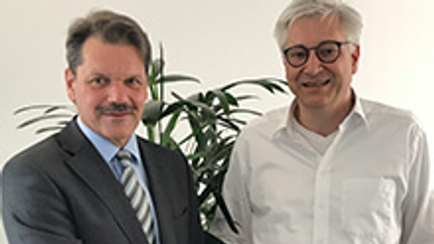


This exclusive interview with Yuko Nakahata was conducted by Tabish Ali of the Motivational Speakers Agency.
Too many ESG interviews sound like reporting advice dressed up as strategy. Yuko Nakahata’s point is sharper: sustainability only matters when companies move from disclosure to action.
A Japan-based start-up founder, board-level sustainability leader and ESG expert, Yuko is the Founder and CEO of SustainaSeed, the company behind VerityBase, a database built to help businesses find and compare sustainable solutions. Her work sits between corporate governance, climate innovation and practical implementation.
In this exclusive interview with the Sustainability Speakers Agency, Yuko discusses why ESG should be treated as a long-term business asset, how companies can close the gap between strategy and delivery, and why sustainability must lead to action after the report is published.
Question 1. What gap in the sustainability market led you to create Sustainaseed?
Yuko Nakahata: “I’m a serial entrepreneur and also a board director at listed companies. So, I was thinking, what is next? And for my next, I really wanted to do something social good.
“During the time, I was seeing startups that had sustainability-related solutions. They really struggled with how to reach the right people. At the same time, I saw that even listed companies, at board level, people were saying they didn’t know what to do about ESG activities.
“They are issuing that report, but after the report, they really struggle to find exactly the right strategy and what to do.
“So, I thought, here is a huge gap between the solution vendors and the solution seekers. That’s why we started making the very base, a database of sustainability solutions, and supporting not the reporting, but we want to support how to take action.
“So, this is why we started this.”
Question 2. How can businesses move ESG from a compliance exercise to a source of long-term value?
Yuko Nakahata: “People are thinking ESG is just a costly thing, but I usually say it’s not. Some of the part you choose, of course, but if you implement sustainability into the corporate strategy, it could be not the short term but mid and long-term corporate value up.
“Especially who is looking at you is your investor, client, your stakeholders and recently the young generations, even the employee. They are looking at what the company is doing.
“So, this should be some of the costly things, but it should lead with how this company makes growth with the stakeholders.”
Question 3. What is the biggest misconception business leaders still have about ESG?
Yuko Nakahata: “I would say that people are thinking, oh, this is because of the mandatory and need to fit on the regulation, it’s costly 20% more.
“Some people, not everybody, but some people are taking it in a negative way. But the better to change the viewing point, this can be something positive, how you use this as a strategy.
“I would say.”
Question 4. Where should companies start if they want to reduce their environmental impact without major upfront costs?
Yuko Nakahata: “If they talk about the environment part, ESG is related with other things also, but first I recommend reviewing what is the company’s situation.
“Of course, they need to understand what ESG is and what is environmentally population.
“For example, the large organisations have many units, not only one business, but reviewing one by one. Yes, it’s taking time, but there are some cases for sure that are related with the environment.
“If you could notice how to make some part efficient, it’s already directly related with some of the environmental efficiency.
“So not only taking your time, but also it could be for yourself. So, I recommend starting from checking what it is and review all of your unit.”
Question 5. What do you want business audiences to take away from your talks on sustainability and ESG?
Yuko Nakahata: “I want to say that because I keep talking about sustainability, they include everything, the ESG and the CSO, and sometimes it’s related with the SDGs.
“But for organisations, I would say sustainability is not about the reporting, it is action.
“So, I strongly support what to do. After issuing the report, I really want people to think to move: what is the action, what is next?”