
Markets reward novelty, so portfolios often drift toward whatever has been rising. Digital holdings can expand quietly until one platform or theme dominates day-to-day wealth planning.
Balancing digital growth with tangible asset security starts with clear definitions. Digital growth comes from intangible assets in the digital economy, like equity in tech firms or software-based revenue. They can scale quickly through cheap distribution and network effects, but prices can swing hard. In asset allocation, they are growth engines, not shock absorbers.
Tangible assets like real estate, farmland, and certain commodities can help anchor purchasing power and add optionality. They still have risks such as maintenance, taxes, and local cycles, but their drivers differ from adoption curves, supporting portfolio diversification when digital bets move together.
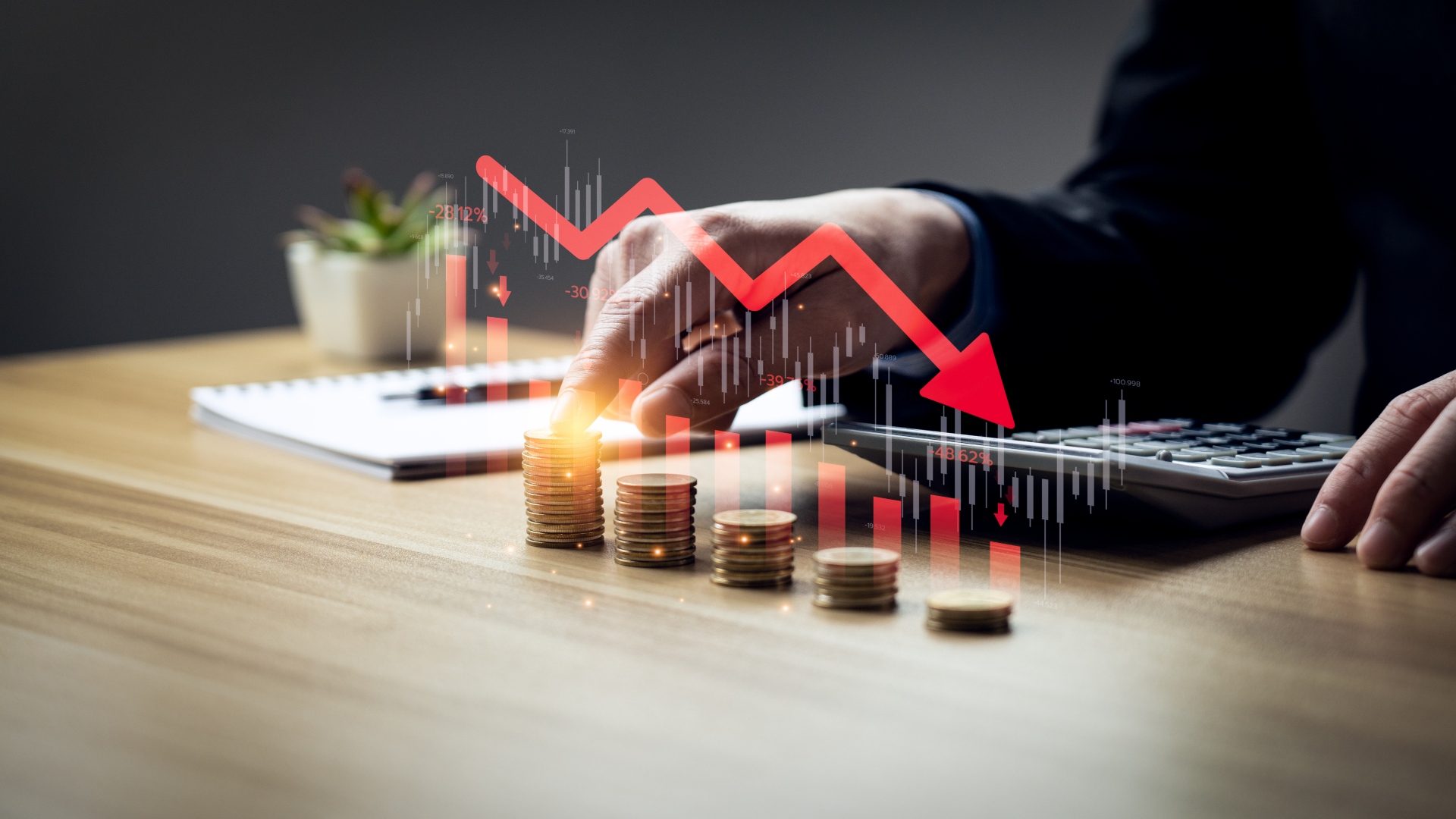
Focus less on perfect percentages and more on time horizon and risk management. Check for concentration in one app, chain, sector, or city, and ask how a 30% drawdown would affect your plans. If it feels uncomfortable, the issue is likely imbalance, not the asset.
Quick Framework for Balancing Digital and Tangible Assets
Before getting into tactics, it helps to have a simple model: digital assets are usually your growth engine, and tangible assets are often your stability anchor.
Digital growth tends to come from intangible, scalable exposures like tech equities, SaaS revenue, platform businesses, and some tokenised claims. These can compound quickly when adoption accelerates, but they also tend to be volatile and can move together in risk-off markets because prices lean heavily on expectations, network effects, and future cash flows.
Tangible assets are tied to physical resources or real-world use, such as real estate, farmland, timber, infrastructure, commodities, and precious metals. Their value is often influenced by scarcity, utility, and replacement costs, so they may behave differently than digital holdings when markets get stressed. If you want a concrete example of a tangible sleeve position, some investors use physical gold via products like Canadian maple leaf gold coins at Monex.
Instead of chasing perfect percentages, ask three questions: Where am I concentrated (theme, platform, geography)? When do I need the money? What drawdown can I actually live with? If you want help building a diversified approach, start by matching each holding to its job, not the latest narrative.
Tangible vs Intangible Assets and How Risk Differs
Understanding the practical differences between tangible and intangible assets helps explain why combining them can improve portfolio outcomes. The distinctions go beyond accounting definitions to affect how investors experience ownership, volatility, and risk.
What Makes an Asset Tangible in Practical Terms
In practical terms, tangible assets are items or claims tied to something that can be used, stored, insured, or maintained. Real estate, commodities, natural resources, infrastructure, and gold fit because ownership links to location, custody, and replacement cost.
Intangible and Digital Growth Assets: Value Drivers
Intangible assets represent rights, code, or relationships that do not require physical possession. Software, data, and IP can compound as distribution scales, while tokenisation can turn contractual rights into digital claims that transfer on platforms.
Vulnerability vs Stability: Where Volatility Comes From
Risk differs because pricing and failure modes differ. Tangible assets often face operational risks like upkeep, weather, and project delays, and their prices can move with rates and local demand, yet they may support inflation protection when input costs rise.
Intangible assets can show sharp market volatility when expectations change, and valuation uncertainty is common when revenue depends on adoption curves. They also carry platform or regulatory exposure, where rules, access, or compliance can change faster than the underlying economics. Good risk management treats these as different, not better or worse. In balanced portfolios, tangibles tend to anchor purchasing power, while scalable intangibles drive growth, and comparing the risk sources helps set position sizes without relying on labels.
How to Build a Hybrid Portfolio That Stays Liquid
Hybrid construction differs from simply buying a bit of everything because it requires matching asset characteristics to specific objectives, constraints, and time horizons. The goal is intentional pairing rather than passive accumulation.
Pick Tangible Anchors That Match Your Risk Goals
A hybrid starts with objectives: a growth target, downside tolerance, and liquidity for 12 to 24 months. Those constraints drive asset allocation better than narratives.
Within the tangible sleeve, portfolio diversification matters. Spreading exposure across real estate, infrastructure, commodities, and gold helps avoid single-asset concentration while supporting inflation protection.
Set Rules for the Digital Growth Sleeve and Rebalancing
The growth sleeve needs guardrails, since pricing can change risk. Many portfolios set target ranges, allowing the sleeve to drift within a band before rebalancing. Two common rebalancing triggers help keep risk management consistent and limit emotion when markets move fast: calendar-based reviews, such as quarterly or annually, and threshold-based moves when an allocation deviates from target.
Publicly traded proxies can move faster than direct ownership, but they track sentiment, and volatility can rise when liquidity thins. Direct holdings may reprice slowly, then gap when transactions occur. In stressed markets, bid-ask spreads widen and redemptions can be delayed temporarily.
Handle Liquidity Trade-Offs and Time Horizon Planning
Liquidity works as a schedule. Near-term cash needs should rely on assets designed to sell quickly, while less-liquid tangible assets fit longer horizons and exits.
Tokenisation can improve access by enabling smaller position sizes and quicker transfers of claims. It also introduces counterparty and platform risks, so investors should review custody, redemption terms, and market depth in stressed markets in advance.
Security Basics for Digital Holdings and Access Control
Digital holdings require operational security that differs from traditional asset protection. The controls that protect access often matter more than the controls that protect price.
Cybersecurity Checklist for Accounts and Devices
Digital holdings often fail for mundane reasons: phishing messages, SIM swaps, reused credentials, unpatched laptops, or a single centralised account compromise that exposes every wallet, broker, and email login. Baseline controls for wealth security in the digital economy include a password manager with unique passwords, MFA on email, exchanges, and cloud storage with hardware keys where possible, least-privilege access for shared devices and roles, and regular patching plus separate admin and daily-use accounts.
Operational security also connects to integrating physical and cybersecurity, since stolen devices and home networks can be as damaging as online attacks.
Custody, Backups, and Recovery When Things Go Wrong
Custody choices change risk management. Self-custody reduces intermediary exposure, but it raises key-loss and inheritance risks. Third-party custody can simplify administration, yet it concentrates counterparty and outage risk, which can affect liquidity during stress. Either way, log incidents and review permissions promptly after internal role changes.
A recovery plan should include offline backups, trusted contacts, documented procedures, and periodic access tests. Planning that spans protecting data and facilities helps teams treat incidents as workflows, not surprises.
Using the 5 Ps to Manage Balance Over the Long Run
A hybrid portfolio lasts when governance is clear. The 5 Ps keep decisions consistent: People, Process, Performance, Planning, and Portfolio. Together, they guide repeatable decisions without adding unnecessary complexity.
People and Process: Define Roles and Rules
People and Process begin by naming who decides, who executes, and who can transfer cash or keys. Clear backups and permissions prevent heroics and protect wealth security when circumstances change.
Process turns policy into repeatable rules for asset allocation, rebalancing bands, and ESG screens. Risk management benefits from explicit limits, including position caps and simple approval steps for exceptions.
Performance, Planning, and Portfolio Monitoring Loop
Performance and Planning connect outcomes to decisions: volatility tolerance, drawdown limits, liquidity coverage, and inflation protection goals. Teams can review these quarterly, then run event-driven checks after major market moves or life changes.
Portfolio monitoring closes the loop by asking what worked, what broke, and what to adjust in portfolio diversification or controls. Simple scorecards and asset management performance metrics keep discussions grounded. When results breach limits, the response is to update targets, trim exposures, or raise liquidity buffers, then document the reason. This feedback keeps risk management from turning reviews into trading.
Key Takeaway: Growth Is Strongest With Real Anchors
Balancing digital growth with tangible asset security comes down to giving every holding a clear job. Let intangible assets in the digital economy do what they do best: pursue scalable upside. Let tangible assets do what they do best: add resilience when expectations shift and correlations rise. The win is not a perfect split, it is a portfolio you can stick with through a real drawdown.
Keep it simple: set asset allocation ranges you will actually follow, define basic custody and access rules, and tie liquidity to your time horizon so you are not forced to sell at the worst moment. Good risk management is mostly boring on purpose.
If your plan feels fragile, pick one small move this week: cap a concentration, add a tangible anchor, or schedule a quarterly rebalance check. Consistency is wealth security.