
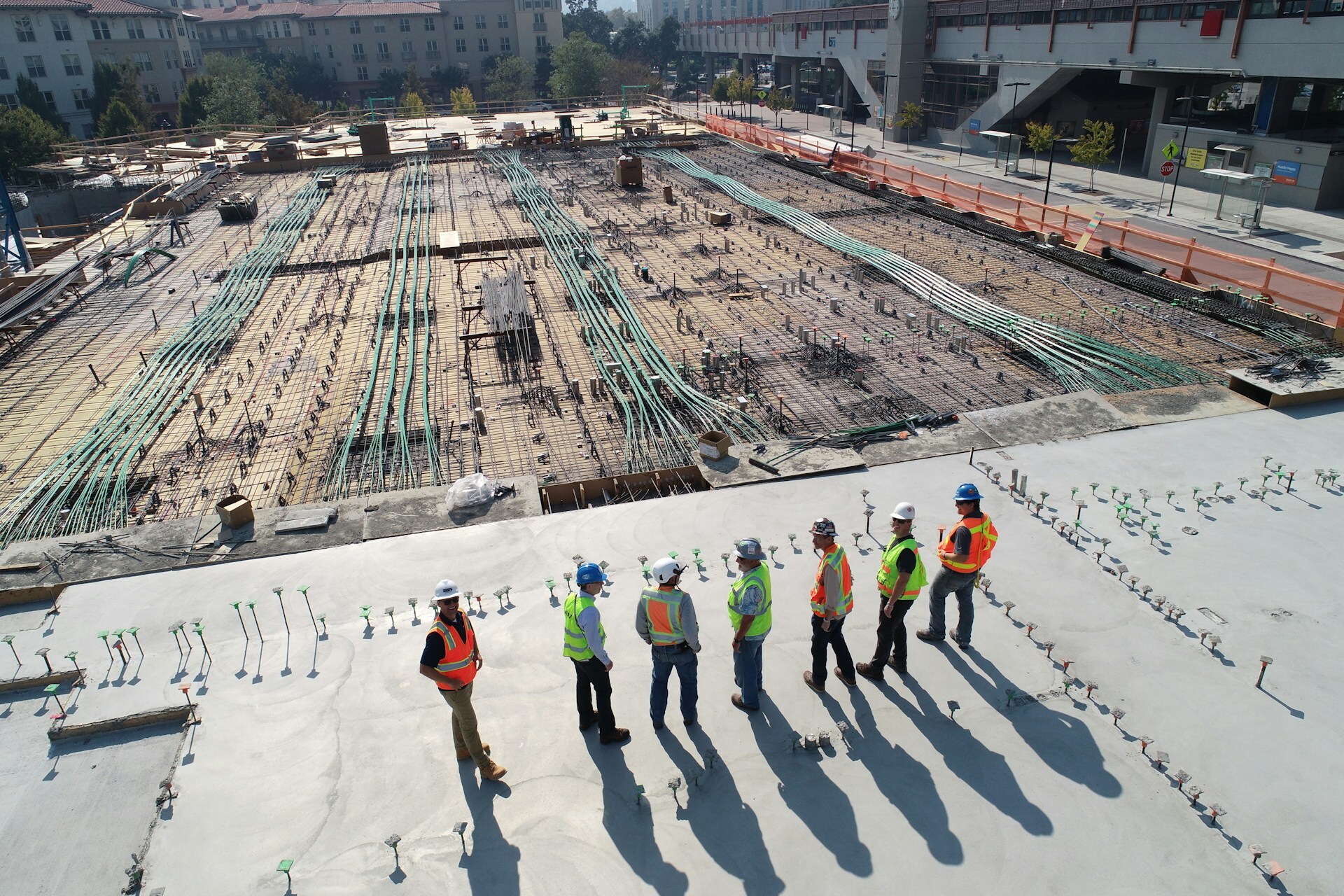

Worker fatigue is an often-overlooked safety hazard on construction sites. Multiple studies have compared the effects of fatigue on workers with the impact of alcohol. Just like a worker under the influence of alcohol would be a safety hazard on a construction site, a fatigued worker can put themselves, others, and the construction project at risk. A fatigued construction worker is prone to make cognitive mistakes, take higher risks, and react slower to danger. According to the Occupational Safety and Health Administration (OSHA), fatigue can increase the chances of an accident by 37%. Construction sites are high-risk environments where a simple mistake can provoke an accident and even death. In fact, “Falls” are the leading cause of construction workers’ deaths. Under normal circumstances, a slip or a fall would not have catastrophic consequences. However, construction work is often performed at high altitudes or with heavy machinery, sharp tools, and heavy objects, which can turn a simple slip or fall into a fatal accident. Worker burnout is a safety hazard for everyone in a construction site.
Construction work is the second deadliest occupation in the U.S. Sadly, construction workers’ deaths have been increasing over the last decade. However, employers, contractors, and developers can save lives and millions of dollars in injury claims and lawsuits by mitigating workplace fatigue.
What’s Worker Fatigue?
Fatigue is an exhaustion that leads to declining mental or physical abilities. This decline in abilities reduces productivity and increases the likelihood of mistakes and accidents. Job-related fatigue can be divided into physical and mental; their causes and symptoms are different but sometimes overlap.
Physical fatigue occurs when long-term activities or intense use of muscles and the body result in the production of lactic acid in the body. Fatigue reduces muscle strength and speed.
Mental fatigue occurs after intense or long periods of concentration or repetitive or monotonous work or activities. Mental fatigue reduces the worker’s capacity to concentrate, evaluate risk, and properly respond to challenges, low mood, decreased responsiveness, and irritability.
Causes of Fatigue in the Workplace
Occupational fatigue often starts in the workers’ personal lives and extends to exhausting working conditions. According to the National Safety Council, 100% of construction workers have at least one risk factor for work-induced fatigue.
- Long Working Hours Plus Long Commuting Times: Construction projects often operate on tight deadlines, necessitating long hours to meet targets. Extended shifts without adequate rest periods can lead to physical and mental exhaustion. On top of that, many construction workers don’t live near the construction site. Requiring for long commuting times. Work-related stress starts on the way to work for many people.
- Physically Demanding Tasks: Construction work is inherently physically labor-intensive, involving heavy lifting, operating machinery, and working in challenging environments. The physical strain can deplete workers’ energy or exhaust their muscles or bone structure, leading to fatigue.
- Harsh Working Conditions: Construction workers are frequently exposed to extreme weather conditions, such as intense heat, cold, or rain, which can exacerbate fatigue.
- Shift Work: Many construction projects require round-the-clock operations, leading to irregular and night shifts. Disrupted sleep patterns from shift work can cause chronic fatigue as workers struggle to adjust their circadian rhythms. Having less than 12 hours to recover between shifts or shifts more than 10 hours long greatly increases the chances of occupational fatigue.
- High Workload: Construction projects often involve demanding deadlines and pressure to complete tasks quickly, increasing workers’ physical and mental stress. The constant pressure to perform can lead to employee tiredness.
- Inadequate Sleep: According to the National Safety Council, more than 43% of all workers are sleep-deprived.
How Does Worker Fatigue Increase The Propensity For Accidents?
The connection between worker fatigue and construction accidents is well-documented. Fatigue impairs cognitive and physical abilities, leading to several safety risks:
- Reduced Alertness: Fatigued workers have diminished awareness of their surroundings, increasing the likelihood of overlooking hazards.
- Slower Reaction Times: Fatigue slows reaction times, making it harder for workers to respond quickly to unexpected situations.
- Impaired Decision-Making: Mental fatigue affects judgment and decision-making abilities, leading many workers to make risky decisions that can compromise safety.
- Decreased Coordination: Physical exhaustion can lead to loss of coordination and balance, increasing the risk of falls and mishandling tools or materials.
- Increased Error Rates: Fatigue contributes to mistakes and errors in work tasks. In construction, where precision is critical, errors can lead to accidents and injuries.
How to Prevent Workers Fatigue?
Preventing workers’ fatigue benefits everyone involved in a construction project. Employers can increase productivity by retaining well-rested workers. Workers make better decisions, take fewer risks, and react faster to danger. Workers have fewer accidents. Employees have fewer personal injury claims and lawsuits.
To prevent worker fatigue, the most important thing to do is to plan and schedule with workers’ proper rest in mind. Ensure that workers’ shifts are always at least 12 hours apart. Consider commuting times when scheduling a worker. Assign high-risk activities to “fresh” workers. Enforce regular water and snak brakes. Educate, promote, and encourage healthy lifestyles and adequate rest. Monitor workers for signs of fatigue.
What To Do If You Are Involved In A Construction Site Accident?
Worker fatigue can lead to accidents, injury, and even death. If you have been involved in a construction work accident, contacting experienced Construction Accident Lawyers is essential to get the justice you deserve.