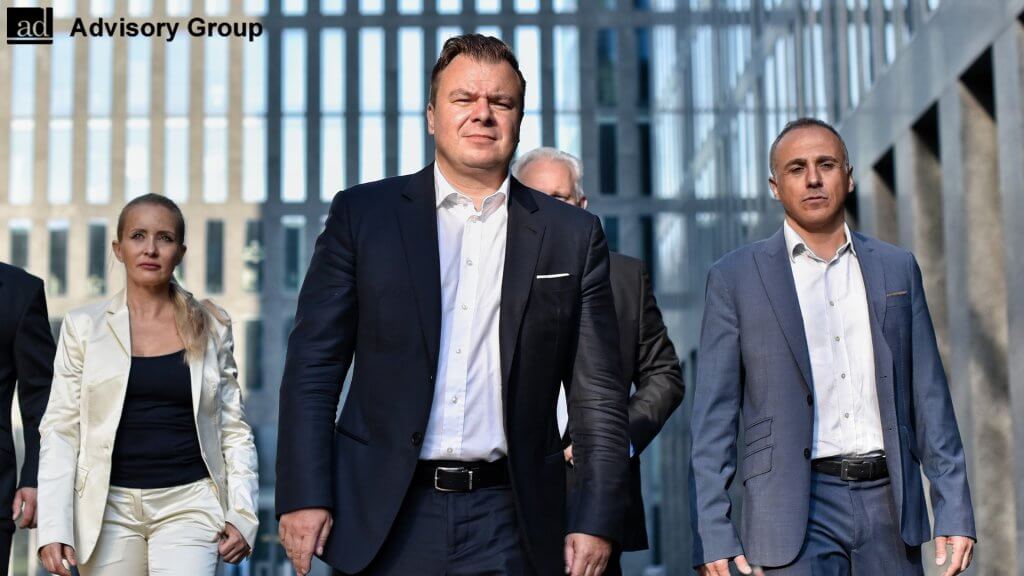
This exclusive interview with Jon French was conducted by Tabish Ali of the Motivational Speakers Agency.
Jon French is a globally recognised innovation speaker and senior business leader with more than 25 years’ experience driving transformational change across the technology sector.
As Managing Director of Android Global Business at Google, he brings first-hand insight into how organisations can harness emerging technologies, translate disruption into opportunity and scale with confidence in fast-moving markets.
Prior to his current role, Jon held senior leadership positions at Microsoft, Samsung, HTC and other global technology brands, consistently delivering growth, building high-performing teams and shaping commercial strategy across Europe, the Middle East, Africa and Asia Pacific.
His keynote sessions translate complex topics such as AI implementation, digital transformation and global growth strategy into actionable frameworks that business leaders can apply with impact. In this exclusive interview with the AI Speakers Agency, Jon French shares his perspectives on the future of leadership amid technological disruption, the behaviours that separate successful organisations, and how leaders can turn innovation into sustainable advantage.
Question 1. Do you think AI will replace business leaders or make them smarter?
Jon French: So AI is definitely going to have, uh, an impact on some roles and some professions, and there will be more versus others. Um, I think that the lower-level tasks and lower-level roles are going to be impacted more than others, but this technology is evolving at such a rapid rate it’s really hard to tell, but that’s the exciting part around AI as well.
Um, I do believe, though, that like any tool, AI is simply that. It is a tool. And so the most important thing is to train yourself and train your teams how to know how to use that tool. If you shy away from it, if you’re scared of it, then you’ll miss that opportunity, and then you risk it disrupting yourself and your business.
Question 2. In the era of AI, what will separate the winners from the losers?
Jon French: If I think about the companies that I’ve worked for and the career that I’ve had, and I think about the characteristics that separate the winners from the losers over that time, I’d probably put it down to those individuals and companies that are constantly vigilant and are curious.
So, taking time to carve out time for research, listen to customers, and then aren’t afraid to be bold to disrupt because they want to, not because they have to.
Question 3. What are the key ingredients for global brand growth?
Jon French: So I think when we ask that question, it’s about how global brands can be resonant locally. So there are very few brands in the world that actually exist and are the same everywhere around the world.
Essentially, a brand is, yes, it’s an insignia for your business, but actually more than that, it is designed to create an emotive response. And that emotive response, like the cultural changes that we just made, all the cultural differences, is something that is very different region by region.
So what you have to do is create a global brand ethos and then adapt that ethos to every region that you are part of. So look at some of the most successful brands in the world. You’ll see them everywhere in the world, from every airport where you land.
But the people that represent that brand, or the messaging that surrounds that brand, will be different. So again, just don’t try to replicate global success. Be humble, be open, and translate the ethos of your brand to speak to consumers in different parts of the world in different ways.
Question 4. What do you hope audiences take away from your public speeches?
Jon French: I would like people to take away a sense of excitement, opportunity, and optimism. So if you are driving change, then you put yourself in a great position to take the opportunity from change. If you don’t drive that change, you risk being changed. But that’s a really exciting world to be a part of.
So, if you use, I would like people to learn from my experiences over 25 years in the tech industry, and being very fortunate to have been in the room or in the company at some times that have, frankly, changed the world.
I never realised that at the time, but you look back, and what I would want my speeches and the people that see my speeches to understand is that this is not theory. This is history. And I’d like them to take some excitement, some inspiration from those stories and apply them to their own businesses, so actually they can excite themselves and excite their own teams to take advantage of a really bright future.