
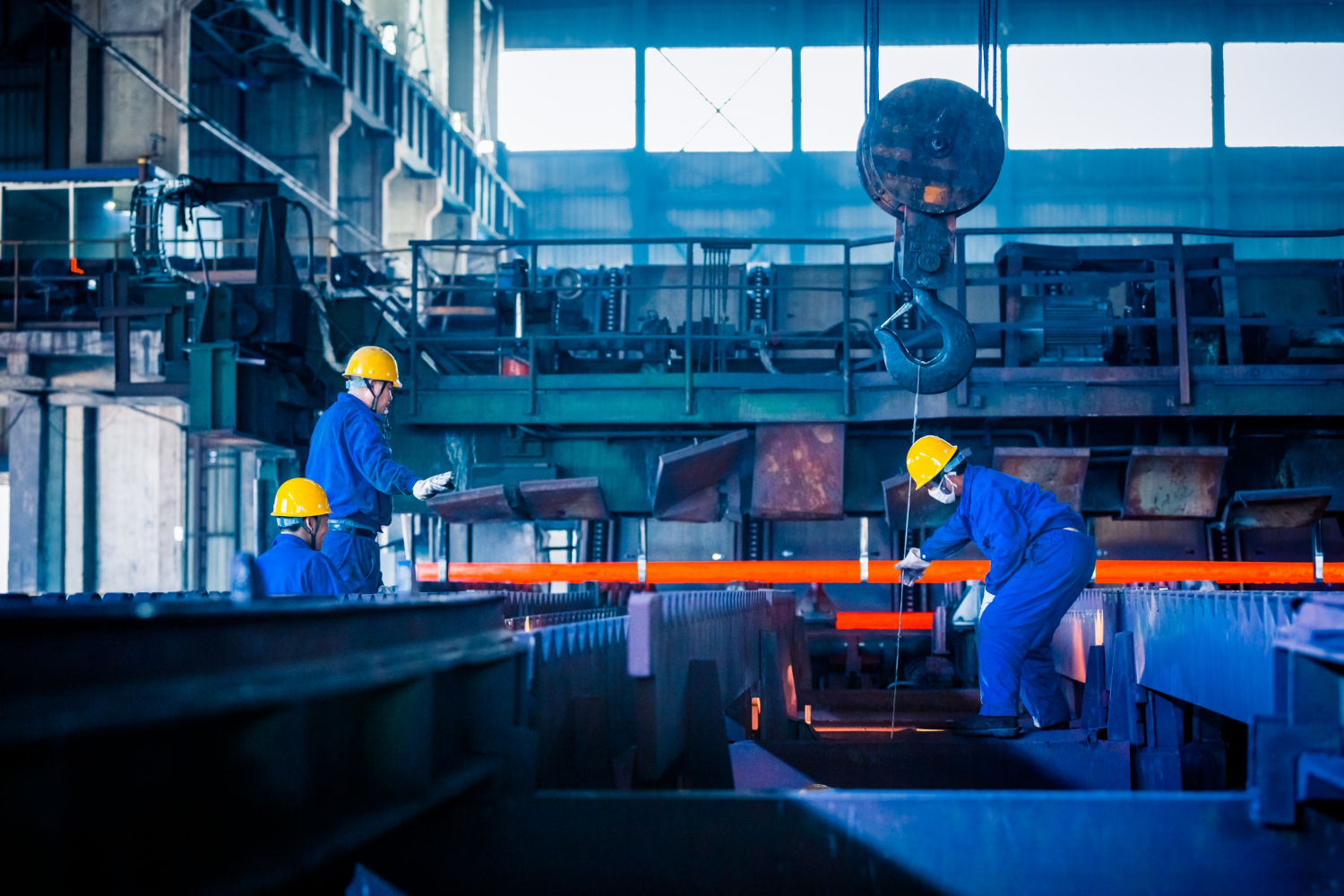

Enhancing Heavy Equipment Production with Cutting-Edge Technology
Heavy equipment production is crucial for various industries, including construction, mining, and agriculture. Machines such as bulldozers, excavators, and tractors are essential for performing heavy-duty tasks.
Traditionally, heavy equipment production has relied on manual labor and basic machinery, leading to several challenges. However, technological advancements have led to improvements in equipment production. Now, manufacturers can use different technologies to ensure the final product is durable and efficient.
Let’s explore how cutting-edge technology is revolutionizing heavy equipment production and discuss the benefits for manufacturing industries.
Let’s read on!
The Current Landscape of Heavy Equipment Production
Traditional Manufacturing Processes
In traditional heavy equipment production, manual labor and basic machinery play a significant role. Workers manually assemble components, relying on simple tools and techniques.
While this method has been effective for many years, it has several limitations. The process is time-consuming, labor-intensive, and prone to human error. Additionally, traditional methods often result in inconsistent quality and precision.
Common Challenges
Heavy equipment production faces several common challenges. High production costs are a significant concern, driven by the need for skilled labor and the inefficiency of manual processes.
Inconsistent quality and precision can lead to equipment failures and safety issues. Downtime and maintenance problems further exacerbate these challenges, reducing productivity and increasing costs.
Cutting-Edge Technologies Transforming Production
Plasma Cutting Technology
Plasma-cutting technology is a game-changer in heavy equipment production. It uses ionized gas to cut through metal, providing precise and clean cuts. A plasma cutter is faster and more efficient than traditional cutting methods, significantly improving the production process.
Its integration with CAD (Computer-Aided Design) and CAM (Computer-Aided Manufacturing) systems allows for automated and highly accurate designs and cutting processes.
This seamless integration enhances the overall efficiency of manufacturing operations. The use of a plasma cutter significantly reduces waste by ensuring precise cuts and optimal use of materials.
Moreover, it greatly improves precision, leading to better product quality and consistency. Overall, plasma-cutting technology speeds up production cycles, making the manufacturing process more streamlined and efficient.
Automation and Robotics
Automation and robotics are transforming assembly lines and production tasks. Robots can perform repetitive tasks with high accuracy and speed. They reduce the need for manual labor, increasing efficiency and consistency.
It also enhances safety by performing hazardous tasks that would be risky for human workers. Overall, robotics streamline operations, reduce production time and improve product quality.
Artificial Intelligence and Machine Learning
Artificial intelligence (AI) and machine learning (ML) are pivotal in predictive maintenance and real-time monitoring. AI can analyze data from equipment sensors to predict when maintenance is needed. It prevents unexpected breakdowns and reduces downtime.
ML algorithms, on the other hand, optimize production processes by identifying inefficiencies and suggesting improvements. These technologies enable data-driven decision-making, enhancing overall productivity and operational efficiency.
Internet of Things (IoT)
The Internet of Things (IoT) connects equipment and creates smart factories. IoT devices collect and transmit data on various parameters, including equipment performance, usage, and environmental conditions.
This data is analyzed to improve production processes and equipment maintenance. Connected equipment can communicate with each other, optimizing workflow and reducing bottlenecks. IoT integration leads to better resource management and enhanced production efficiency.
Benefits of Technological Integration
Increased Production Efficiency
Integrating cutting-edge technology into heavy equipment production increases efficiency. Automated processes and robotics speed up production cycles and reduce lead times.
Streamlined operations and workflow automation ensure that tasks are performed quickly and accurately. This efficiency boost allows manufacturers to meet demand more effectively and improve overall productivity.
Enhanced Product Quality
Advanced technologies contribute to enhanced product quality. Precision engineering and automated processes result in consistent, high-quality output.
Reduced error rates and improved safety ensure that equipment meets stringent standards. High-quality products enhance customer satisfaction and reduce the need for costly repairs and replacements.
Cost Savings
Technological integration leads to significant cost savings. Efficient resource use lowers production costs, while reduced downtime and maintenance expenses further contribute to savings.
Although the initial investment in technology can be substantial, the long-term benefits outweigh the costs. Manufacturers can achieve higher profitability and competitiveness in the market.
Challenges and Considerations
Initial Investment and Implementation Costs
Adopting new technologies requires a considerable initial investment. Manufacturers must budget for the purchase and installation of advanced equipment.
However, the return on investment (ROI) is typically high, as technology improves efficiency and reduces long-term costs. When planning for technology integration, it is essential to consider both the immediate expenses and the long-term benefits.
Training and Skill Development
The transition to a technology-driven production environment necessitates workforce upskilling. Employees need training to operate and maintain advanced equipment.
Implementing training programs and promoting continuous learning is crucial. Skilled workers are essential for maximizing the benefits of new technologies and ensuring smooth operations.
Cybersecurity and Data Privacy
With the integration of IoT and AI systems, protecting sensitive production data becomes paramount. Manufacturers must implement robust cybersecurity measures to safeguard intellectual property and prevent data breaches.
Ensuring secure systems and protocols is essential to maintaining trust and protecting business interests.
Final Words
Cutting-edge technology is revolutionizing heavy equipment production. Integrating advanced technologies like plasma cutting, automation, AI, and IoT increases production efficiency, enhances product quality, and reduces costs. Despite the initial investment and need for workforce training, the long-term benefits are substantial. As new technologies continue to emerge, the future of heavy equipment production promises even greater advancements and sustainability. Embracing these technologies will enable manufacturers to stay competitive and meet the evolving demands of various industries.