
This exclusive interview with Maarten Verschuere was conducted by Tabish Ali of the Motivational Speakers Agency.
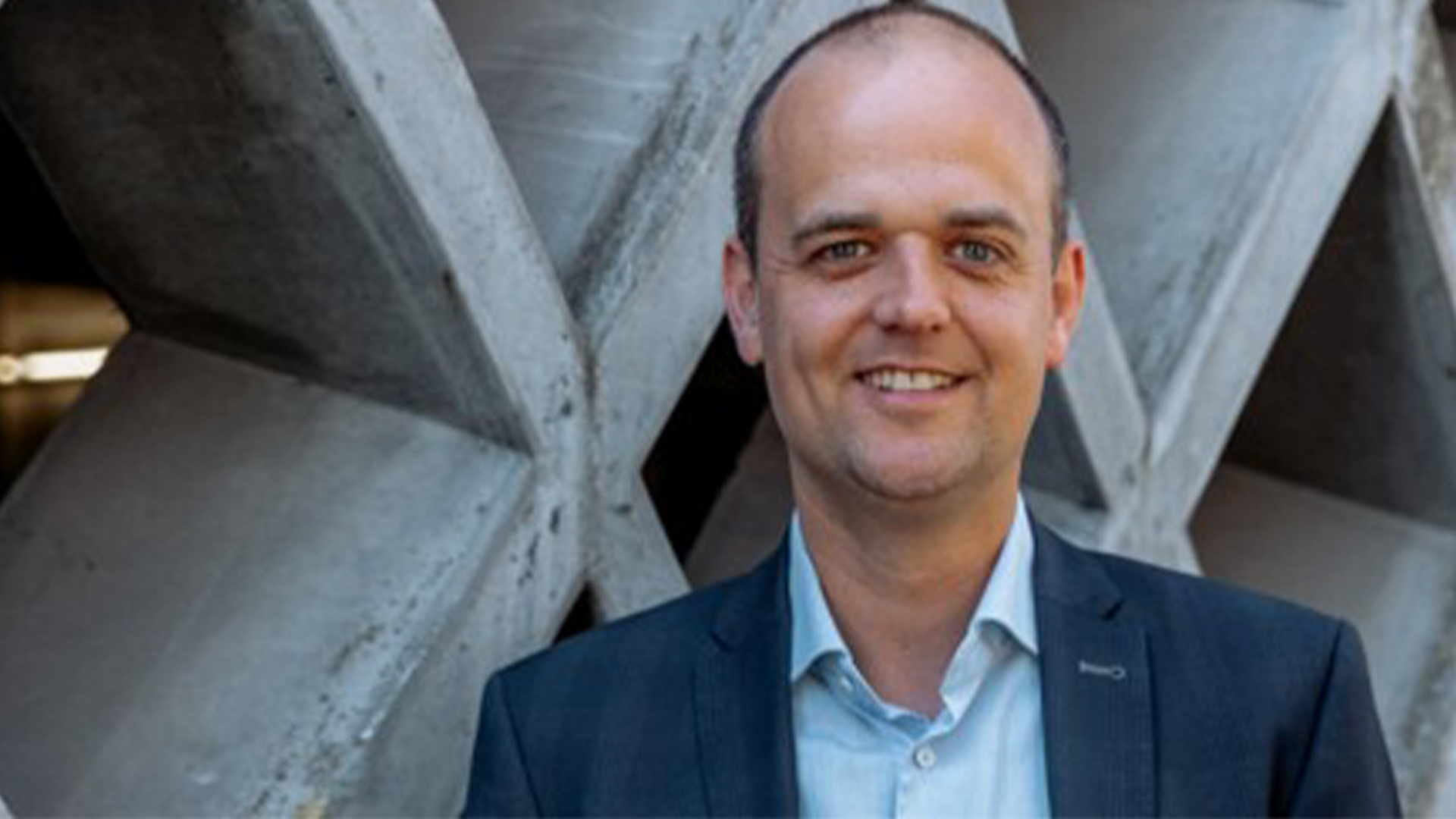
Maarten Verschuere is an AI expert, entrepreneur and researcher with more than 15 years of experience building and implementing artificial intelligence systems. Known as The AI Navigator, he is the Founder and former CEO of Clever, former Managing Director of Zoovu and author of AI Will Replace You.
Maarten now works as an AI Researcher at VIVES University of Applied Sciences, where he leads the AWARE project examining how AI can strengthen the human firewall in cyber security. His experience spanning technology, business and research gives him a practical understanding of why AI projects succeed, where they fail and how organisations can bring their people with them.
In this exclusive interview with the AI Speakers Agency, Maarten explains why employees are central to cyber resilience, how HR can prepare workforces for AI and what leaders must do to turn experimentation into scalable business value.
Question 1: Why does human behaviour remain a critical vulnerability despite advances in cybersecurity technology?
Maarten Verschuere: “The human firewall is the missing link in cyber security. We can build highly accurate technology, systems that cannot be penetrated from outside, and technically robust security processes and protocols.
“A breach can still happen when someone within an organisation opens a malicious email, clicks a link or uses a new tool without considering the security risks. The human firewall can therefore become either the weakest or strongest link in an organisation’s cyber security.
“Without an understanding of the risks associated with certain tools and technologies, people may use them naively and allow intruders into the organisation.
“I have been researching this topic at VIVES University of Applied Sciences. We have found that some people are more susceptible to phishing, particularly those experiencing a higher cognitive load. The busier someone is and the more commitments they have in their calendar, the more likely they are to follow the instructions in an email and fall victim to phishing.
“This remains underappreciated within companies. There is considerable focus on technology, but less attention is paid to the people using it. The human firewall will become an increasingly important part of cyber security.”
Question 2: What role should HR leaders play in preparing employees for AI adoption?
Maarten Verschuere: “HR leaders need to help people develop their perspective on AI and technology. Many employees are anxious that AI will replace them. Some believe they are too old to learn new skills, while younger employees may feel they do not yet understand the business well enough to use these tools. Others are questioning what their role will be if AI can perform parts of their job.
“HR has a key role in turning that anxiety into a sense of opportunity. When people understand how AI works, they can begin to see it as a superpower. Employees are the experts in their own jobs, so they are well placed to identify where AI could help them achieve more.
“HR must build awareness, train employees and raise AI literacy across the organisation. This allows the people who understand the business to use AI as a source of scalable value. AI adoption is, in the first instance, an HR challenge rather than an IT challenge.”
Question 3: What separates successful enterprise-wide AI adoption from isolated experimentation?
Maarten Verschuere: “Organisations need to go through the experimental phase before they can scale AI. A leadership team cannot simply decide to begin using AI at scale overnight.
“People need time to use the technology, understand what the future may look like and become comfortable applying it to the company’s mission.
“My AI Navigator Framework has three stages: inspire, enable and scale. Leaders must take their people on a journey with a clear mission to create value for the business, its employees and its customers.
“That journey should begin with simple steps. Increase employees’ understanding of how AI can help them and give them reasons to become enthusiastic about its potential. Once people are on board, the right solutions will follow. Putting people first is how organisations create scalable AI that works.”
Question 4: Which leadership mindset is needed to turn AI into a sustainable competitive advantage?
Maarten Verschuere: “Leaders must begin by addressing their own anxiety. Employees may fear that AI will take their jobs, but leaders are also worried about making the wrong decisions or investing in technology without knowing what the outcome will be.
“The decisions leaders make today will affect what happens to their companies over the next five to 10 years. They need to recognise the opportunity, embrace it and have confidence in their organisation’s mission and vision. Once leaders overcome their anxiety, they can pass that confidence on to their employees.
“Soft skills are critical to creating the right culture. Employees need to know that it is acceptable for small experiments to fail, to ask questions, express uncertainty and admit that they do not yet have every answer. This creates a shared language that allows the organisation to move forward.
“The key mindset is to embrace AI as an opportunity while remaining people-centred.”
Question 5: What lasting response do you want your speeches to create among audiences?
Maarten Verschuere: “My objective is clear: to inspire people and prompt them to act.
“I show audiences what is happening with AI worldwide, separating the hype from the reality. My focus is always on business results and where the technology creates genuine value.
“During my keynotes and workshops, I take audiences through what is happening in their sector and examine how comparable companies are using AI, including where they are succeeding and failing.
“I then ask what they will do after the session with the knowledge they have gained. I want people to leave ready to try something and put what they have learnt into practice. My aim is to replace their anxiety with the confidence and energy to pursue the opportunities AI presents.”